đź“° Latest: HaasScript AI Reference: Documentation Built for AI Assistants
Account

How to Calculate Crypto Trading Profit

Crypto trading profit is calculated by subtracting your entry price and fees from your exit price: (Exit Price - Entry Price - Fees) Ă— Position Size. Accurate profit tracking requires accounting for exchange fees, slippage, funding rates, and tax implications across all your trades.
Start tracking with HaasOnline

Accurate P&L Tracking

Track profit and loss across all trades with precise calculations including fees.

Portfolio Performance

Monitor overall portfolio returns across multiple exchanges and strategies.

Fee Analysis

See exactly how much you're paying in trading fees and their impact on returns.

Historical Data

Review past performance to identify winning strategies and costly mistakes.

Real-Time Updates

Get instant profit calculations as trades execute throughout the day.

Tax Reporting

Export detailed transaction history for accurate tax reporting and compliance.

Basic Profit Formula

Understanding the math behind profit

For spot trading: Profit = (Sell Price - Buy Price) Ă— Amount - Fees. If you bought 1 BTC at $40,000 and sold at $45,000 with $50 in fees, your profit is ($45,000 - $40,000) Ă— 1 - $50 = $4,950.

For leveraged trading, multiply by your leverage and account for funding rates. A 10x leveraged position magnifies both gains and losses. Margin trading adds complexity with liquidation risks and borrowing costs.
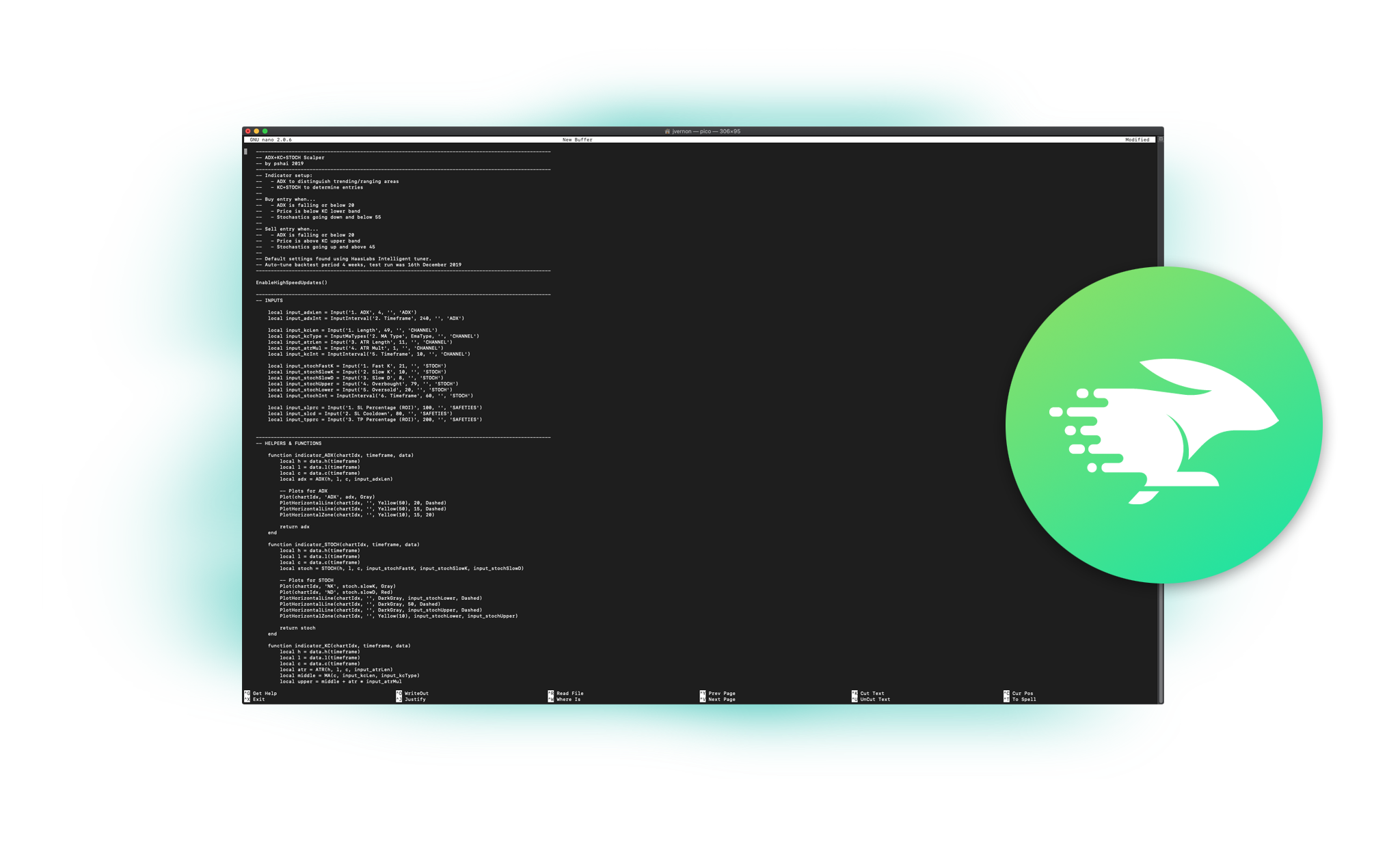
Crypto profit calculation formula
Fees & Slippage

The hidden costs of trading

Trading fees typically range from 0.1% to 0.5% per trade, meaning a round-trip (buy + sell) costs 0.2% to 1%. On a $10,000 trade, that's $20-$100 in fees alone. High-frequency traders can pay thousands monthly in fees.

Slippage occurs when your order executes at a different price than expected, especially in volatile markets or with large orders. Market orders suffer more slippage than limit orders. These hidden costs significantly impact profitability.
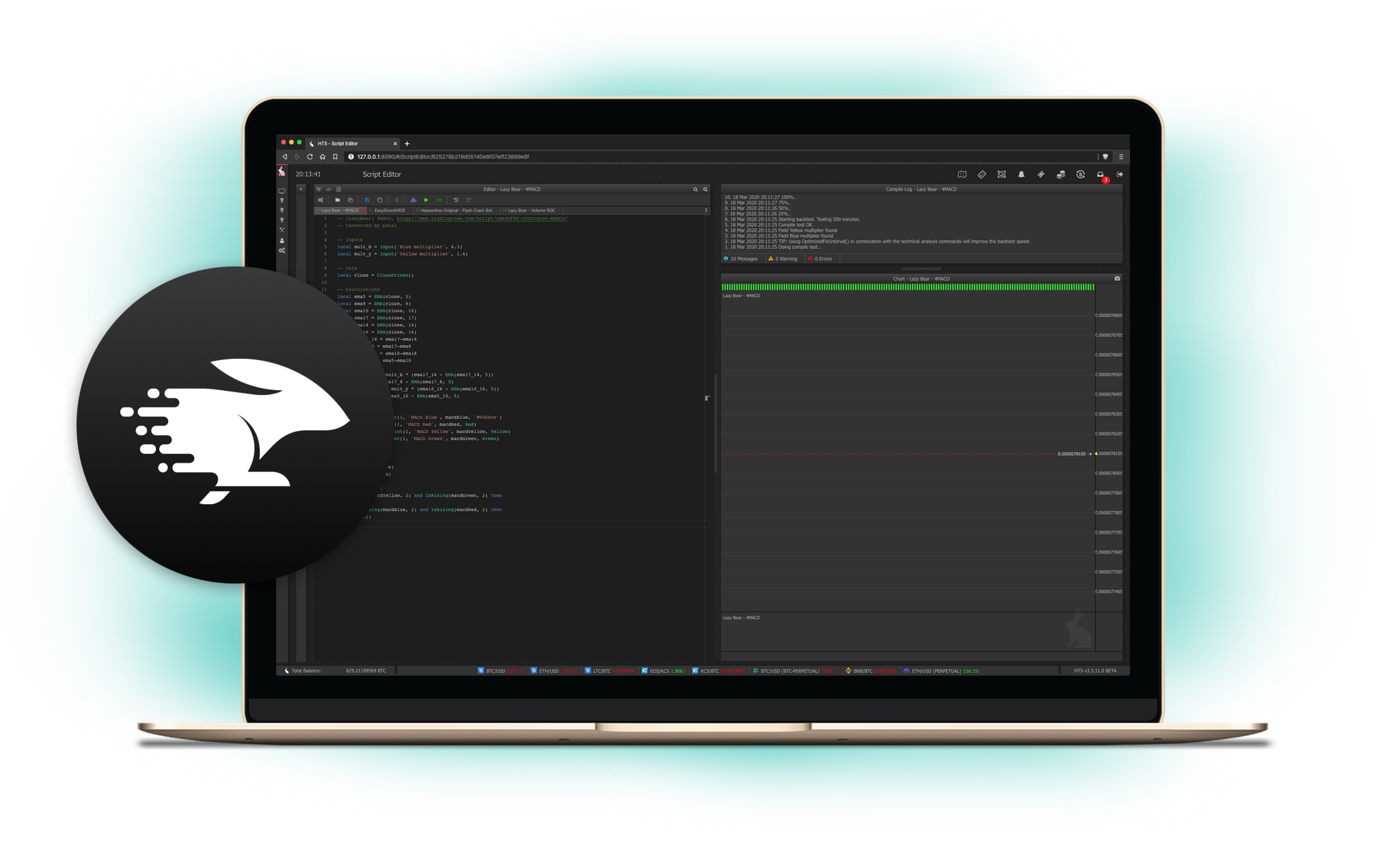
Trading fees and slippage impact
Automated Performance Tracking

Let software do the calculations

Trading platforms like HaasOnline automatically calculate profits, track fees, and generate performance reports. See win rate, average profit per trade, maximum drawdown, and ROI across all strategies and exchanges.

Automated tracking eliminates manual spreadsheet errors and provides real-time insights. Compare bot performance, identify your best strategies, and spot problems before they drain your account. Export reports for taxes and analysis.
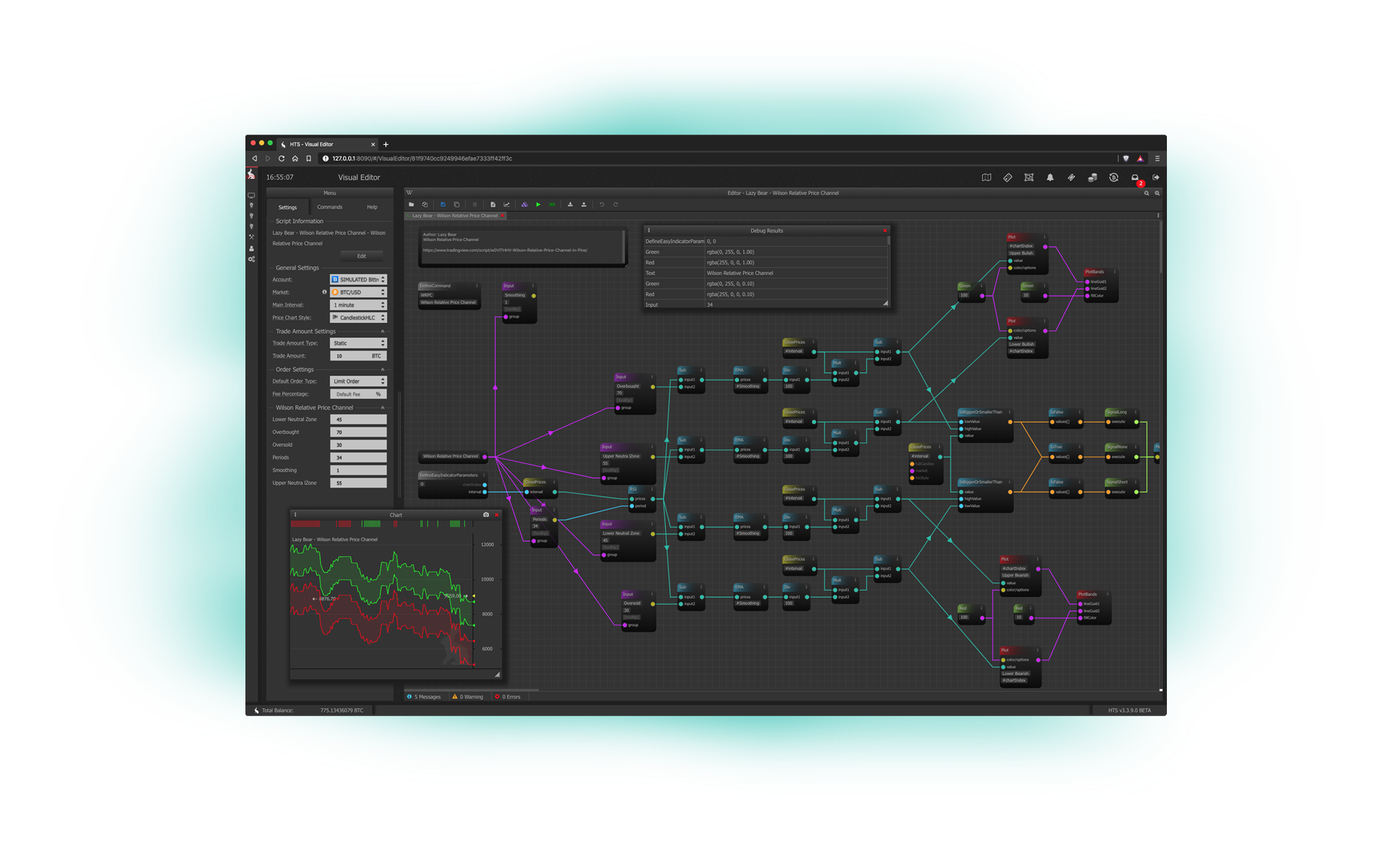
Automated profit tracking

Frequently Asked Questions

  • How do you calculate crypto profit percentage?

    Profit percentage = ((Sell Price - Buy Price) / Buy Price) Ă— 100. If you bought at $40,000 and sold at $45,000, that's (($45,000 - $40,000) / $40,000) Ă— 100 = 12.5% profit before fees. Always subtract fees from profit before calculating percentage.

    For multiple trades, calculate the total percentage return: ((Ending Balance - Starting Balance) / Starting Balance) Ă— 100. A $10,000 account growing to $12,500 is a 25% return.

  • What fees should I include in profit calculations?

    Include exchange trading fees (maker/taker), withdrawal fees, deposit fees (if applicable), funding rates for perpetual contracts, and network gas fees for on-chain transactions. Each fee type reduces your net profit.

    Trading fees are typically 0.1-0.5% per side. Funding rates on perpetuals can be positive or negative, paid every 8 hours. Gas fees vary dramatically—Ethereum transactions can cost $5-$100 depending on network congestion.

  • How does leverage affect profit calculations?

    Leverage multiplies both profits and losses. With 10x leverage, a 5% price move equals a 50% gain or loss on your position. Calculate profit as: (Price Change % Ă— Leverage Ă— Position Size) - Fees - Funding Costs.

    Leverage also increases fees since you're trading larger position sizes. A $1,000 account with 10x leverage trades $10,000, paying fees on the full $10,000. Liquidation risk means you can lose your entire position if price moves against you.

  • What is a good profit percentage for crypto trading?

    Professional day traders target 1-3% monthly returns (12-36% annually). Swing traders may aim for 3-10% monthly. Higher returns are possible but come with significantly higher risk. Consistent 20%+ monthly returns are extremely rare and unsustainable.

    Focus on consistency over huge gains. A strategy returning 2% monthly with low drawdown beats a strategy making 10% some months but losing 15% other months. Risk-adjusted returns matter more than absolute returns.

  • How do I track profit across multiple exchanges?

    Use trading platforms like HaasOnline that connect to multiple exchanges via API and aggregate all trades into a single dashboard. This provides consolidated profit/loss, total fees paid, and portfolio performance across all accounts.

    Manual tracking requires exporting CSV files from each exchange and combining them in spreadsheets—tedious and error-prone. Automated platforms handle the calculations, currency conversions, and reporting automatically.

  • Do I need to calculate profit for taxes?

    Yes, most countries require reporting cryptocurrency gains and losses for tax purposes. You'll need detailed transaction history showing date, amount, price, and fees for every trade. Capital gains taxes apply to profits in most jurisdictions.

    Some countries use FIFO (first-in, first-out), others allow specific identification for calculating cost basis. Keep accurate records of all trades, transfers, and fees. Many traders use specialized crypto tax software or export transaction data from their trading platform.

Standard Upgrade. Completely Free. Unrestricted Trial.

Track your trading performance with automated profit calculations, fee analysis, and portfolio reporting. Get a free 3-day trial with full access to all features. No credit card required.

Start free 3-day trial