Simple Moving Average Trading Strategy with Cryptocurrency
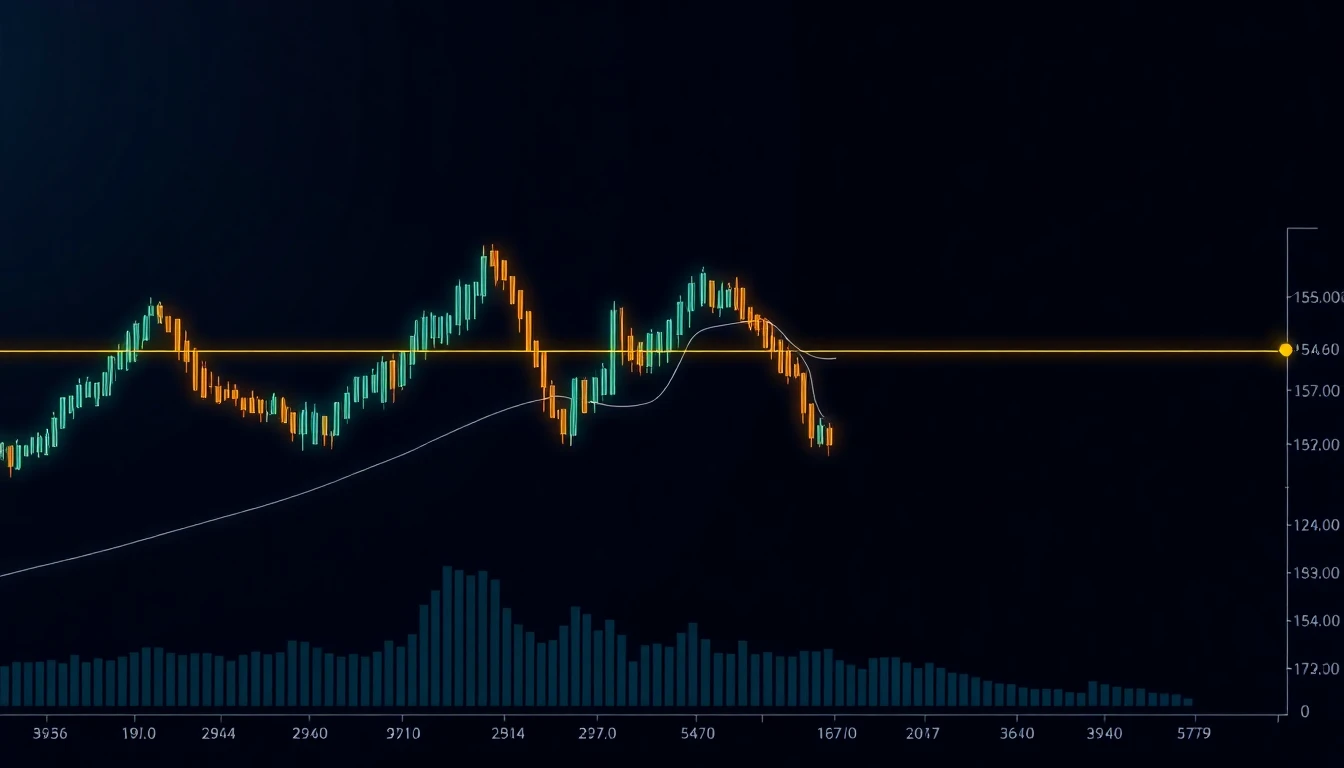
The simple moving average, or SMA, is one of the most enduring tools in technical analysis, and for good reason: it smooths out the noise of short-term price fluctuations and reveals the underlying trend direction in a clear, mathematically consistent way. A simple moving average is calculated by taking the average closing price of an asset over a defined number of periods — a 20-period SMA on a daily chart, for example, is simply the average of the last 20 daily closing prices. As each new price is added, the oldest is dropped, so the line moves continuously with price action. In crypto markets, where volatility is high and noise is abundant, moving averages serve as powerful anchors for trend-following strategies.
The most commonly used SMA-based trading strategy involves crossovers between a faster (shorter period) moving average and a slower (longer period) moving average. The classic "golden cross" occurs when a short-term SMA — typically the 50-period — crosses above a longer-term SMA such as the 200-period, signalling the potential beginning of an uptrend. The corresponding bearish signal, the "death cross," occurs when the shorter SMA crosses below the longer one. While these signals are well-known, they are lagging by nature — because they are based on past prices, they will never catch the absolute top or bottom of a move. Their value lies in confirming trend direction and keeping traders on the right side of sustained moves rather than predicting reversals.
In cryptocurrency trading, SMA strategies are applied across all timeframes, from one-minute charts for scalping to weekly charts for long-term position trading. The optimal period settings depend on the timeframe and the specific asset: Bitcoin's daily chart might respond well to a 50/200 SMA crossover system, while a more volatile altcoin might require shorter periods like 9/21 to generate timely signals. Traders often combine SMA signals with other indicators — such as volume confirmation, RSI to avoid entering in overbought conditions, or ATR to set appropriate stop-loss distances — to improve signal quality and reduce false entries in choppy markets.
Risk management is a critical component of any SMA-based strategy. Because moving average crossovers are lagging signals, the entry price is often some distance from an ideal entry, and the strategy must be sized accordingly. A common approach is to place a stop-loss below the longer-term moving average line: if the SMA that defined the trend is broken, the trade thesis is invalidated and the position should be closed. Position sizing based on the distance to the stop-loss — rather than a fixed dollar amount — ensures that the risk per trade remains consistent regardless of where the entry happens to occur.
Automating an SMA strategy with a platform like HaasOnline removes the need to watch charts continuously and eliminates the hesitation that causes manual traders to miss valid signals or hold losing positions too long. In the HaasOnline bot builder, traders can configure precise entry conditions based on SMA crossovers across any supported exchange and timeframe, set stop-loss and take-profit levels, and let the bot execute the strategy consistently around the clock. Backtesting the configured strategy against historical data is an essential step before going live — it allows you to validate the logic, understand the expected drawdown profile, and refine period settings for the specific market conditions you are targeting.