What are Pegged Coins?
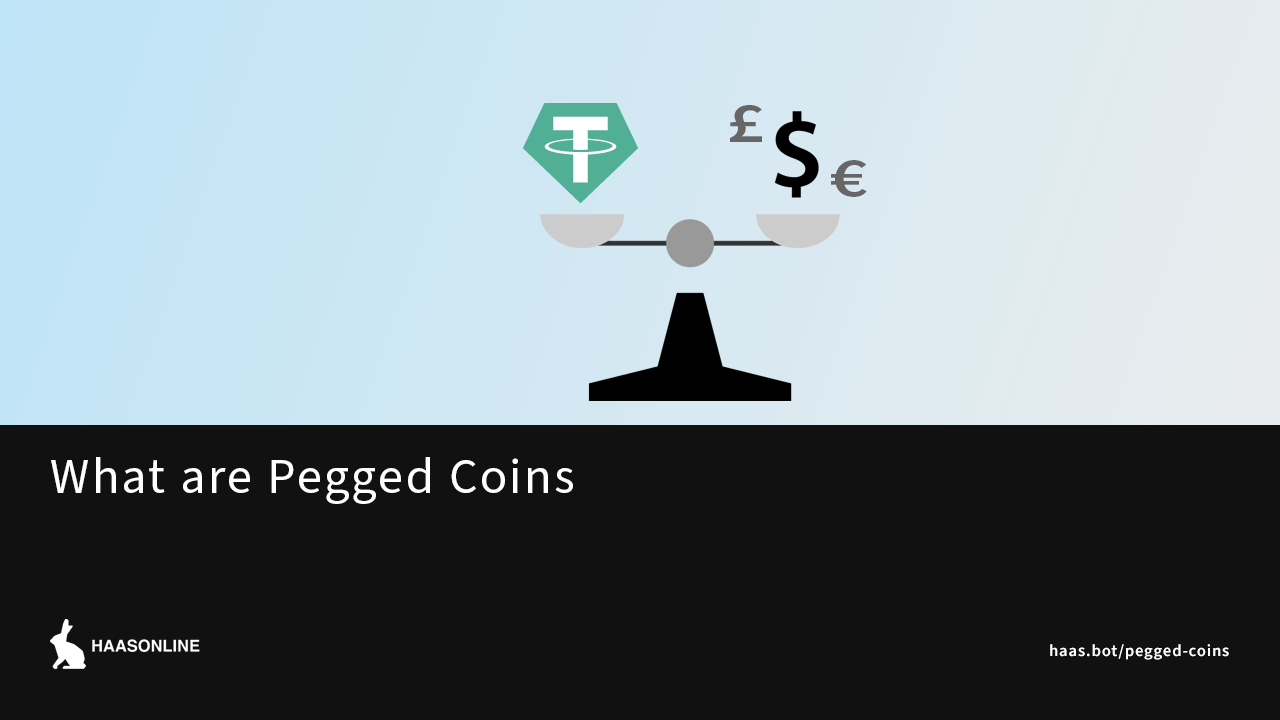
A pegged coin is a cryptocurrency whose value is designed to track the price of another asset — most commonly a fiat currency like the US dollar, but also commodities like gold, or even other cryptocurrencies. The peg creates price stability relative to the reference asset, distinguishing these coins from volatile free-floating cryptocurrencies like Bitcoin or Ethereum. The concept of pegging is not unique to crypto; traditional finance has long used currency pegs, where central banks commit to maintaining their national currency at a fixed rate against another. In the crypto world, pegged coins attempt to achieve a similar outcome through a variety of technical and economic mechanisms.
The most common type of pegged coin is the fiat-backed stablecoin, where each token in circulation is backed by an equivalent amount of the reference currency held in reserve. Tether (USDT) and USD Coin (USDC) are prominent examples — for every token issued, the issuer claims to hold one US dollar in a bank account or equivalent liquid assets. This is conceptually simple but introduces counterparty risk: holders must trust that the issuer actually maintains the reserves it claims and that those reserves are accessible. Regulatory scrutiny of fiat-backed stablecoin reserves has intensified in recent years as their market capitalizations have grown into the tens of billions.
Crypto-collateralized pegged coins take a different approach. Instead of holding fiat in a bank, these systems lock up cryptocurrency as collateral, typically in excess of the peg value to account for the volatility of the collateral itself. MakerDAO's DAI is the most well-known example — users lock ETH or other approved assets into smart contracts to mint DAI, which targets a $1.00 peg. The over-collateralization ratio (often 150% or more) creates a buffer against price drops in the collateral. Automated liquidation mechanisms sell collateral if it falls below a minimum threshold, protecting the peg's integrity. This approach is more decentralized than fiat-backed models but exposes the system to cascading liquidations during severe market downturns.
Algorithmic pegged coins attempt to maintain their peg without direct collateral, instead relying on algorithmic supply adjustments and arbitrage incentives. When the price rises above the peg, new tokens are minted to increase supply and push the price down; when it falls below the peg, tokens are burned or incentives are created to reduce supply. These systems have proven extremely fragile in practice — the catastrophic collapse of TerraUSD (UST) in 2022, which lost its dollar peg and effectively went to zero, wiped out tens of billions in value and demonstrated how algorithmic pegs can enter death spirals when confidence evaporates rapidly.
For traders, understanding the mechanics behind any pegged coin they use is essential risk management. A pegged coin that loses its peg — whether through insolvency of the issuer, collateral liquidation cascades, or algorithmic failure — can cause severe losses, particularly for traders who use stablecoins as a safe harbor or as collateral for leveraged positions. Monitoring the peg stability through price feeds, tracking reserve attestations for fiat-backed coins, and understanding liquidation thresholds for crypto-backed systems all help traders make informed decisions about which pegged assets to trust and in what quantities.