đź“° Latest: HaasScript AI Reference: Documentation Built for AI Assistants
Account

What is a Crypto Arbitrage Bot?

A crypto arbitrage bot automatically buys cryptocurrency on one exchange where the price is lower and sells it on another exchange where the price is higher, capturing price differentials. These bots scan multiple exchanges continuously, executing trades in seconds to capture fleeting opportunities before they disappear.

Market Neutral Strategy

Trade price differences without predicting market direction or trends.

Fast Execution

Capture opportunities in seconds before price differences disappear.

All Market Conditions

Execute trades in bull markets, bear markets, and sideways conditions.

Systematic Execution

Exploit recurring inefficiencies across fragmented crypto exchanges.

Automated Scanning

Monitor dozens of exchanges and trading pairs simultaneously.

Reduced Exposure

Hold positions for seconds or minutes, not hours or days.

How Arbitrage Works

Buy low, sell high—across exchanges

Arbitrage bots continuously monitor prices across multiple exchanges. When they detect a price difference (spread) that exceeds trading fees, they simultaneously buy on the cheaper exchange and sell on the more expensive exchange.

The entire process takes seconds. You need balances on multiple exchanges to execute quickly without waiting for transfers. Bots scan hundreds of trading pairs, identifying opportunities humans would miss.
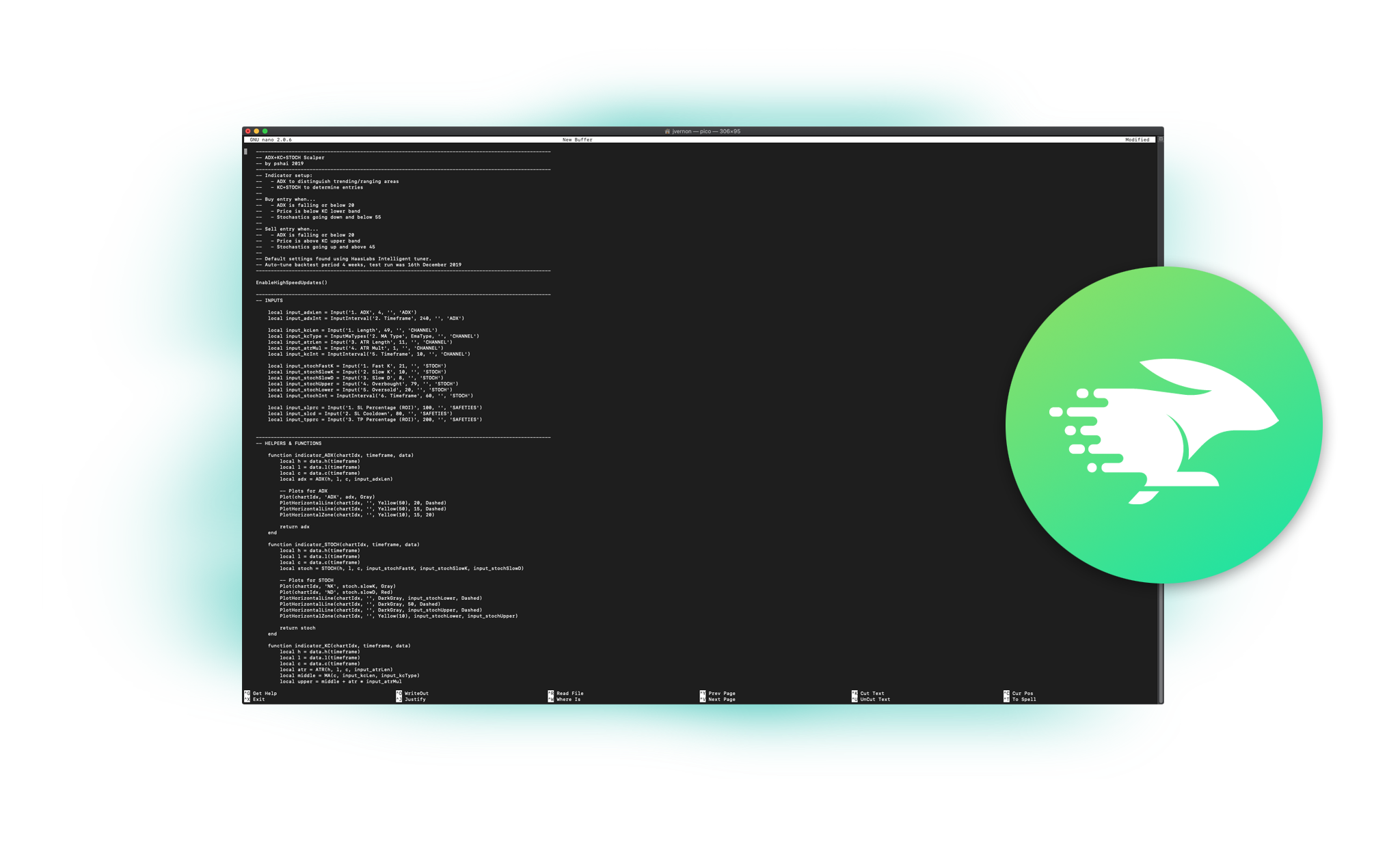
How crypto arbitrage bots work
Types of Arbitrage

Multiple arbitrage strategies

Spatial arbitrage exploits price differences between exchanges for the same trading pair. Triangular arbitrage trades three different pairs on one exchange to capture pricing inefficiencies. Statistical arbitrage uses historical price relationships to predict temporary mispricings.

Different strategies suit different market conditions and capital levels. Spatial arbitrage is simplest for beginners, while triangular arbitrage doesn't require transferring funds between exchanges, reducing execution risk.
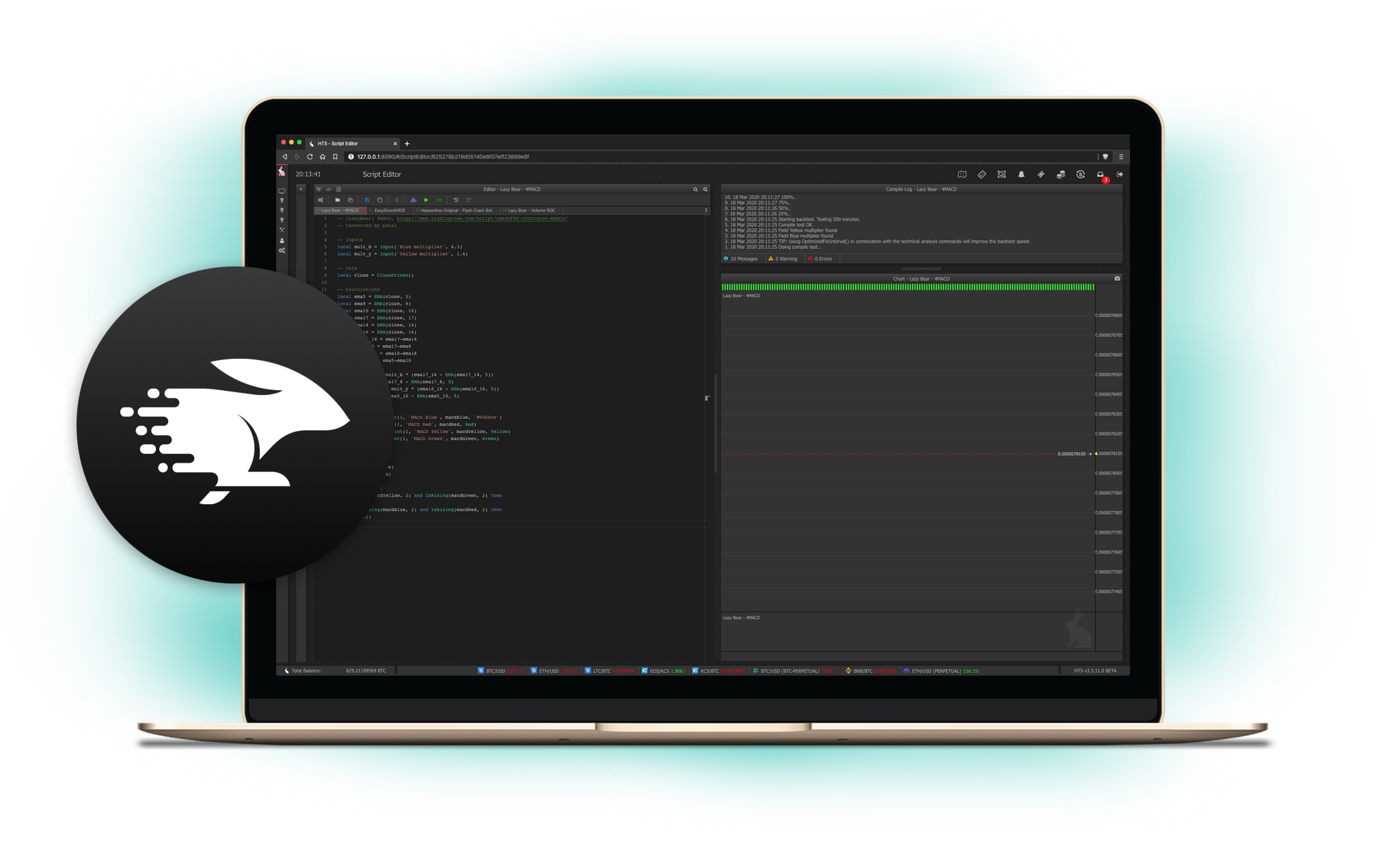
Types of arbitrage strategies
Arbitrage Requirements

What you need to succeed

Successful arbitrage requires balances on multiple exchanges (minimum $1000-$2000 spread across 2-3 exchanges), fast execution speed (opportunities disappear in seconds), and low trading fees (high fees eat into slim profit margins).

Choose exchanges with high liquidity, reliable uptime, and reasonable withdrawal limits. Automated bots are essential—human traders can't scan dozens of exchanges and execute trades fast enough to capture opportunities.
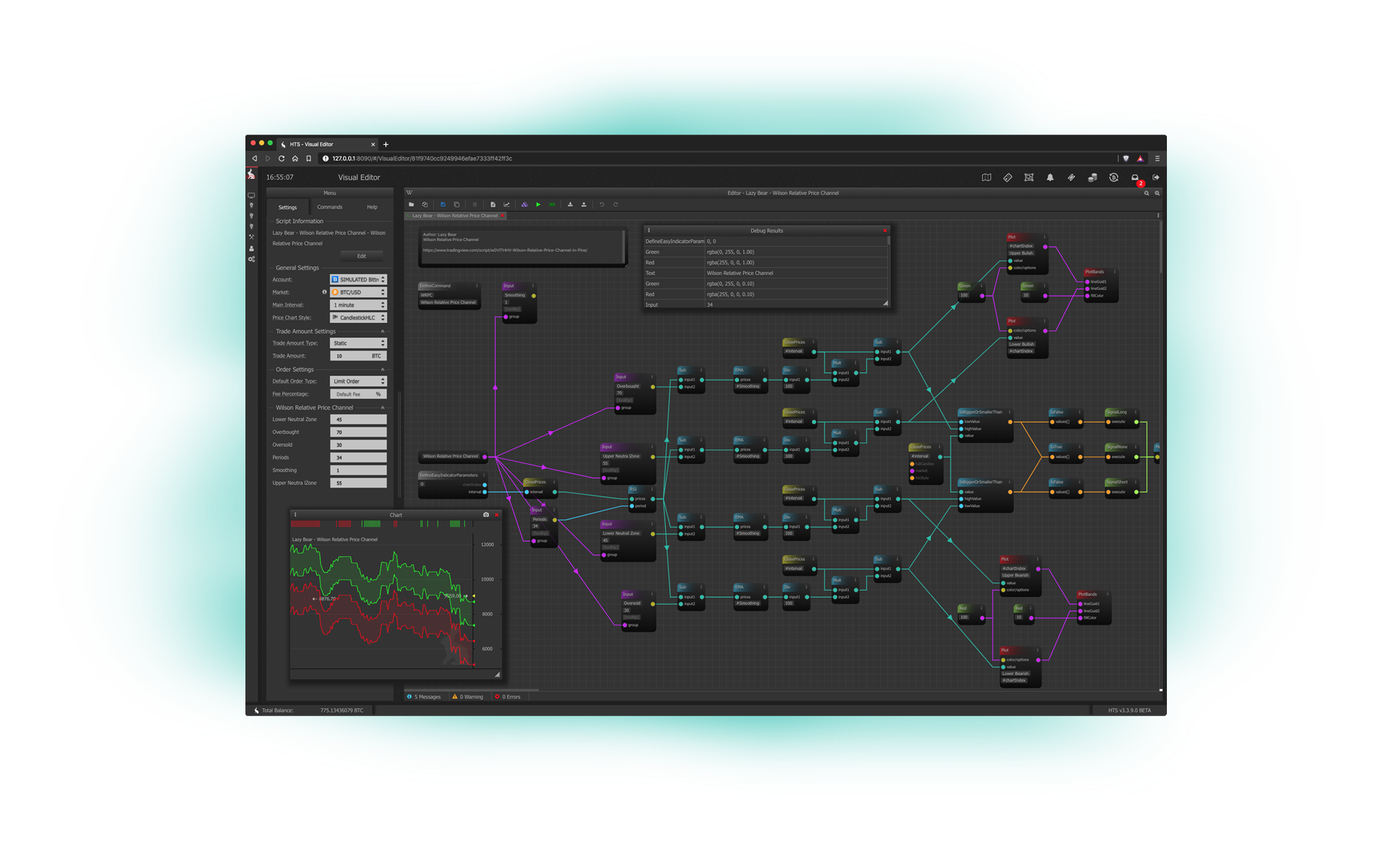
Arbitrage trading requirements

Frequently Asked Questions

  • Is crypto arbitrage profitable?

    Yes, crypto arbitrage can be profitable, but opportunities are becoming more competitive. Profitability depends on market conditions, exchange selection, execution speed, and trading fees. Success requires fast automated bots, low fees, and sufficient capital spread across multiple exchanges.

    Price differences are more significant during high volatility. Competition from institutional traders and other bots means opportunities are fleeting—manual arbitrage is nearly impossible. Automated bots can execute trades quickly to capture these opportunities, though there are no guarantees.

  • What are the risks of crypto arbitrage?

    Main risks include execution risk (price moves before completing both trades), transfer delays between exchanges, exchange downtime or hacks, slippage on large orders, and withdrawal limits preventing timely rebalancing.

    Mitigate risks by using reputable exchanges, maintaining adequate balances on multiple platforms, starting with small amounts, and using fast execution bots. Never use withdrawal API permissions—keep funds withdrawal-proof.

  • How much money do I need for arbitrage trading?

    Minimum recommended: $1000-$2000 spread across 2-3 exchanges. More capital allows larger trades with greater opportunity capture. You need simultaneous balances on multiple exchanges to execute trades quickly without waiting for transfers.

    Larger capital ($5000+) enables arbitrage on more trading pairs and better positioning to capture bigger opportunities. Start small while learning, then scale up once you've validated your strategy.

  • What's the difference between arbitrage and market making?

    Arbitrage exploits existing price differences between exchanges or trading pairs, capturing immediate profit from inefficiencies. Market making provides liquidity by placing buy and sell orders around current price, profiting from the bid-ask spread over time.

    Arbitrage is lower risk with instant execution, while market making holds positions longer and faces inventory risk. Arbitrage requires multiple exchange accounts; market making typically operates on one exchange.

  • Do I need coding skills for arbitrage bots?

    No coding required for triangular arbitrage (trading three pairs on a single exchange to profit from pricing inefficiencies). HaasOnline offers pre-built templates you configure through visual interfaces—set profit thresholds, select trading pairs, and define parameters.

    For cross-exchange arbitrage (buying on one exchange, selling on another), you'll manually manage fund transfers between exchanges. The bot identifies opportunities and executes trades, but doesn't automatically move funds between platforms. Advanced users can create custom arbitrage detection logic with HaasScript.

  • Why do arbitrage opportunities exist in crypto?

    Crypto markets are fragmented across hundreds of exchanges with varying liquidity, trading volumes, and user bases. Unlike traditional markets with centralized price discovery, crypto prices can differ significantly between platforms.

    Additional factors include regional demand differences, exchange-specific events (maintenance, listing announcements), and slower market efficiency compared to traditional finance. These inefficiencies create ongoing arbitrage opportunities for automated bots.

Standard Upgrade. Completely Free. Unrestricted Trial.

Start arbitrage trading with automated cross-exchange scanning and execution. Get a free 3-day trial with full access to all strategies and features. No credit card required.

Start free 3-day trial