đź“° Latest: HaasScript AI Reference: Documentation Built for AI Assistants
Account

What is a Grid Trading Bot?

A grid trading bot places buy and sell orders at preset price intervals, creating a "grid" across a price range. When price drops to a grid level, it buys. When price rises, it sells. This strategy systematically executes trades around price oscillations without needing to predict market direction—designed for ranging markets.

Trade Volatility

Execute trades around price swings without predicting market direction.

Hands-Off Trading

Set your grid parameters once and let the bot trade automatically.

Risk Management

Define your price range upfront and control exactly how much you risk.

Ranging Markets

Designed for sideways markets with defined price ranges.

Multiple Positions

Buy and sell across multiple price levels to maximize opportunities.

Systematic Execution

Each completed grid cycle automatically reinvests to the next level.

How Grid Trading Works

Buy low, sell high—automatically

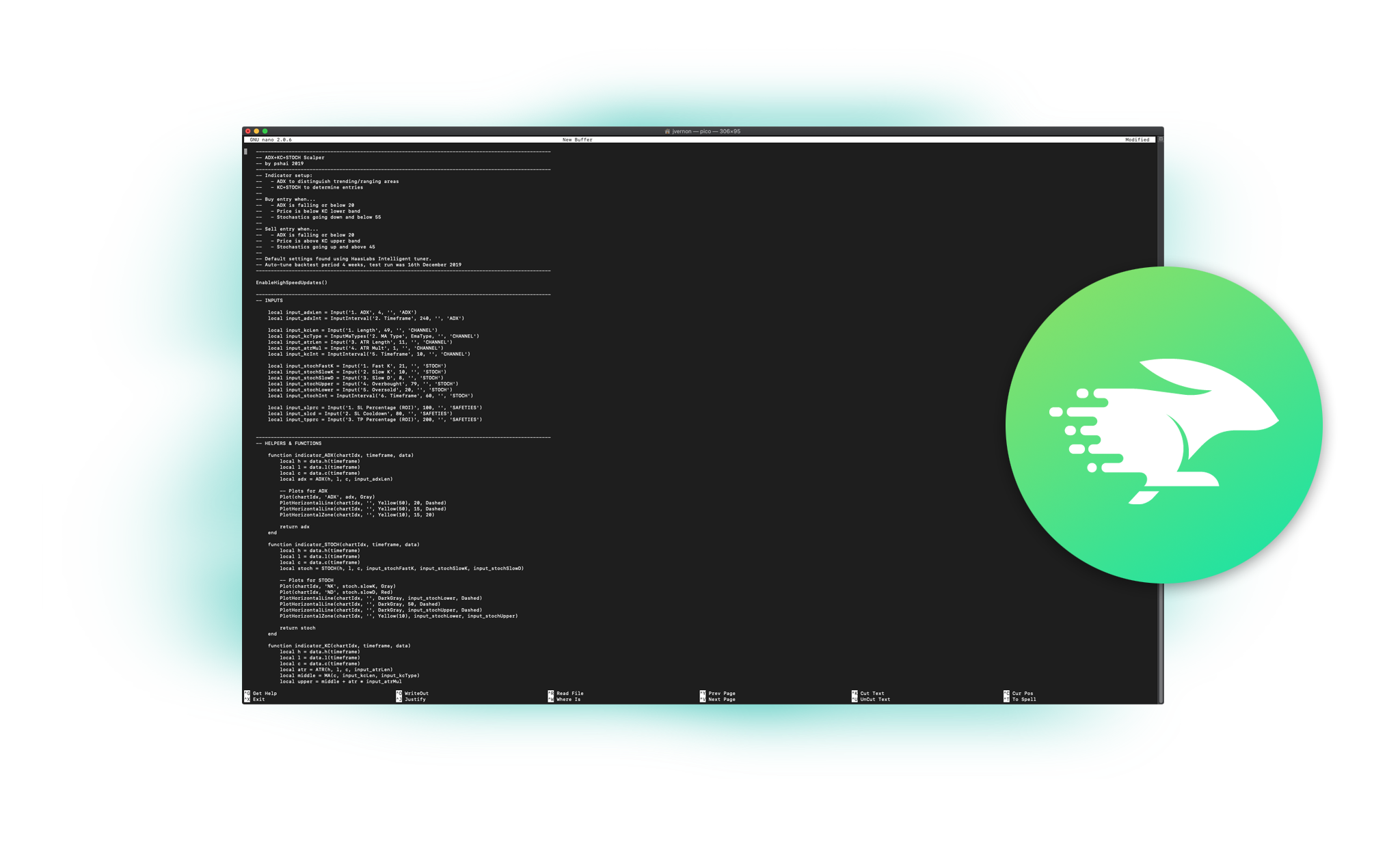
Grid trading divides a price range into equal intervals (grid levels). The bot places buy orders below current price and sell orders above. When price moves through the grid, orders execute automatically.

When a buy order fills, the bot immediately places a sell order at the next grid level above. This repeats continuously, executing trades systematically around price oscillations in ranging markets.
How grid trading bots work
When to Use Grid Trading

Perfect for sideways markets

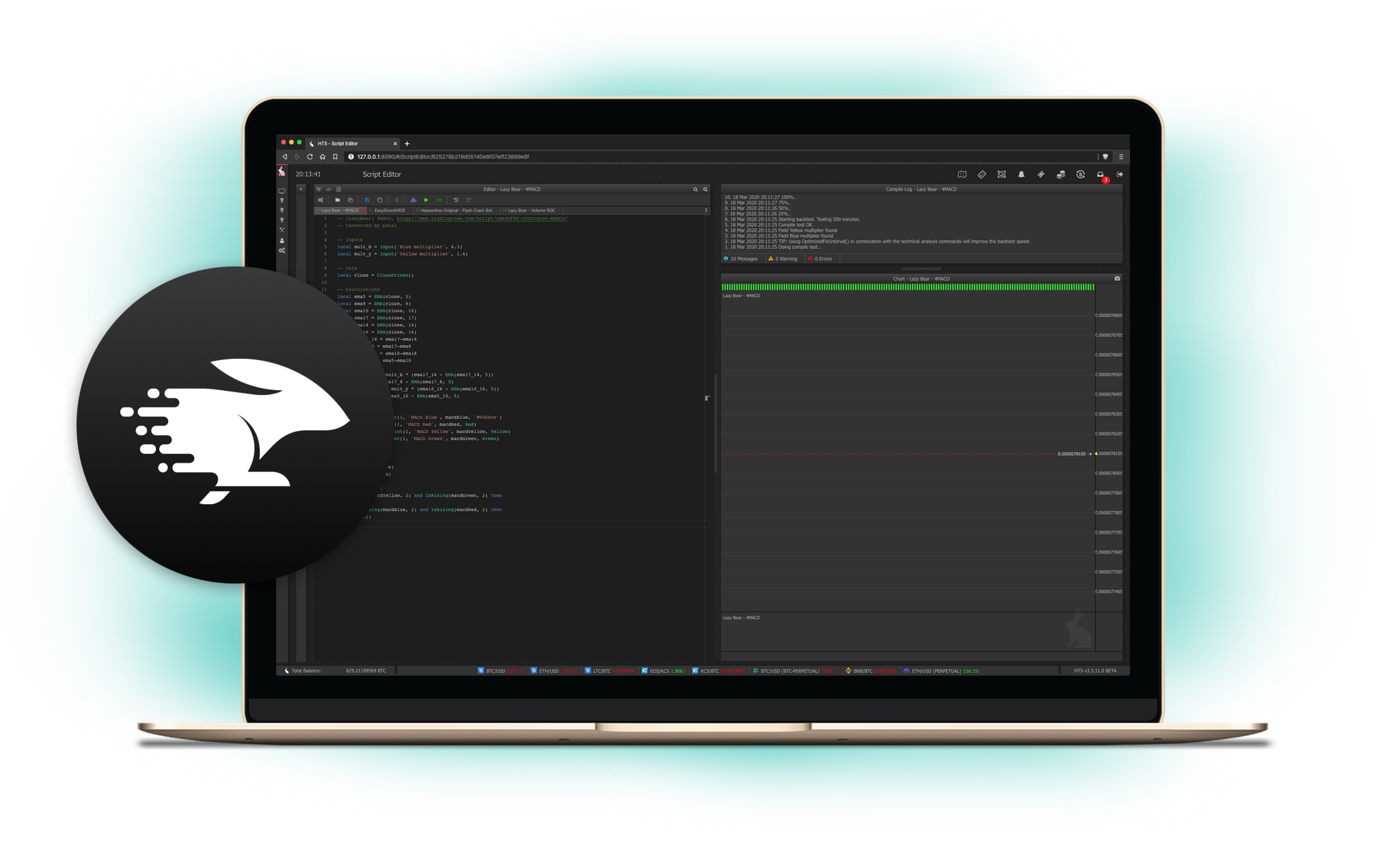
Grid trading is designed for ranging or sideways markets where price oscillates within a predictable range. Use it during consolidation periods after major moves, on pairs with moderate volatility, and when no clear trend is forming.

Avoid grid trading during strong trending markets, major news events, or when price is breaking out of established ranges. The strategy assumes mean reversion—price returns to average rather than trending strongly in one direction.
When to use grid trading bots
Grid Trading Setup

Configure your grid parameters

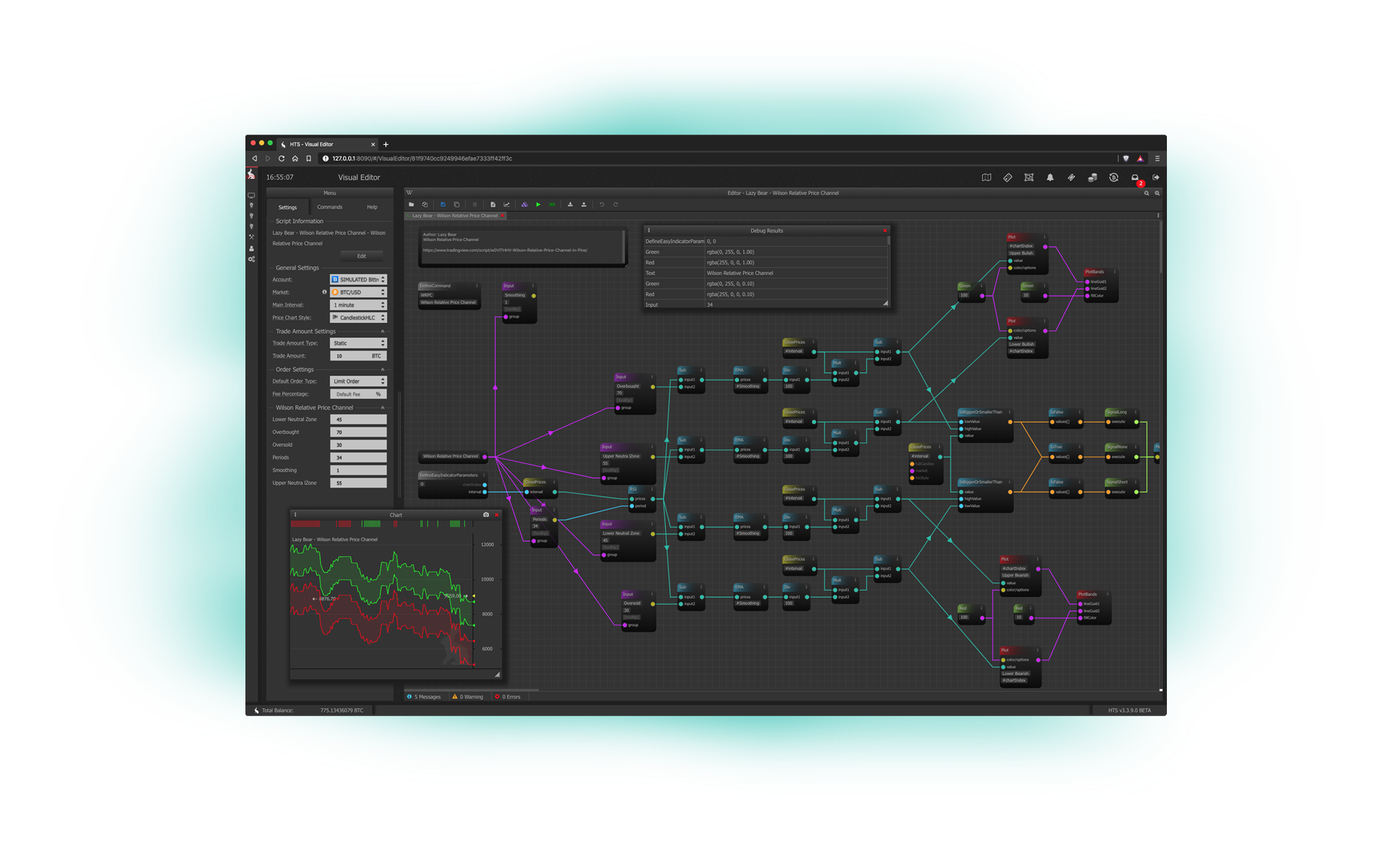
Set your price range (upper and lower bounds), number of grid levels (determines spacing), and investment amount. More grid levels mean tighter spacing and more frequent trades. Wider spacing reduces trade frequency but captures larger moves.

HaasOnline's visual grid builder shows your grid overlay on price charts, making setup intuitive. Backtest different configurations against historical data to find optimal settings before going live.
Grid trading bot setup

Frequently Asked Questions

  • Is grid trading profitable?

    Grid trading is designed for sideways or ranging markets where price oscillates without strong directional trends. Profitability depends on market volatility (more oscillations = more trades), grid spacing, and proper range selection. Returns vary significantly based on market conditions, grid configuration, and trading fees.

    Success requires choosing the right market conditions, setting appropriate grid parameters, and managing risk with stop losses. Backtest thoroughly and start with paper trading to validate your configuration. There are no guarantees, and past performance does not indicate future results.

  • When should I use a grid trading bot?

    Use grid trading bots in sideways or ranging markets where price moves within a predictable range without sustained trends. Ideal conditions include moderate volatility, sufficient liquidity, and consolidation periods after major moves.

    Avoid during strong trending markets where price breaks out of your grid range, major news events that cause volatility spikes, or when trading illiquid pairs with wide spreads.

  • What are the risks of grid trading?

    Main risks include trend risk (strong breakout in one direction causes losses), range selection risk (price moves outside your grid), over-trading in low volatility (fees eat profits), and opportunity cost (capital locked in grid during strong trends).

    Mitigate risks with stop losses outside your grid range, proper backtesting to validate range selection, and avoiding trending assets. Start small and gradually scale up as you gain experience.

  • How much money do I need for grid trading?

    You can start grid trading with $200-$500. More capital allows tighter grid spacing and more grid levels for better profit potential. Recommended minimum: $500-$1000 for meaningful results on volatile pairs like BTC/USDT or ETH/USDT.

    Higher capital enables more sophisticated grid configurations with better risk management. Start small while learning, then scale up once you've validated your strategy with real trading.

  • What's the difference between grid trading and DCA?

    Grid trading places both buy and sell orders, profiting from oscillations regardless of overall price direction. DCA (Dollar-Cost Averaging) only buys at regular intervals to accumulate assets over time, ignoring short-term price movements.

    Grid is for ranging markets and active trading with profit-taking. DCA is for trending markets and long-term holding with no selling. Choose grid when you expect sideways action, DCA when you expect long-term appreciation.

  • Can I lose money with grid trading bots?

    Yes. Grid trading can lose money if price trends strongly in one direction (breaking out of your grid range), if grid spacing is too tight (fees exceed profits), or if you set an inappropriate price range for current market conditions.

    Use stop losses to limit downside, backtest thoroughly against historical data, start with paper trading to verify bot behavior, and only trade with capital you can afford to lose. Grid trading is not risk-free.

Standard Upgrade. Completely Free. Unrestricted Trial.

Start grid trading today with pre-built templates and visual configuration. Get a free 3-day trial with full access to all strategies and features. No credit card required.

Start free 3-day trial