đź“° Latest: HaasScript AI Reference: Documentation Built for AI Assistants
Account

Ping Pong Bot: Automated Range Trading

A ping pong bot repeatedly buys near support and sells near resistance, profiting from price oscillation within a range. Like a ball bouncing between paddles, it capitalizes on predictable back-and-forth price movements in sideways markets.
Start ping pong trading with HaasOnline

Range Trading

Profit from sideways markets by repeatedly buying low and selling high within defined boundaries.

Repeated Profits

Generate multiple winning trades from the same price range rather than waiting for breakouts.

Predictable Execution

Clear entry and exit levels based on support and resistance make strategy transparent.

Low Risk Per Trade

Small distances between entries and exits limit downside on individual positions.

Compound Returns

Reinvest profits from each cycle to grow position size and accelerate gains.

Flexible Ranges

Adapt to different market conditions by adjusting support and resistance boundaries.

How Ping Pong Bots Work

Buy the dip, sell the rip

Ping pong bots identify a price range with clear support and resistance. The bot buys when price hits the bottom of the range (support) and sells when it rebounds to the top (resistance). After selling, it waits for price to fall back to support before buying again—repeating the cycle indefinitely.

For example, if Bitcoin ranges between $48,000 (support) and $52,000 (resistance), the bot buys at $48,000, sells at $52,000, then waits to buy again at $48,000. Each complete cycle captures the full range movement for profit. This works best in stable, ranging markets without strong trends.
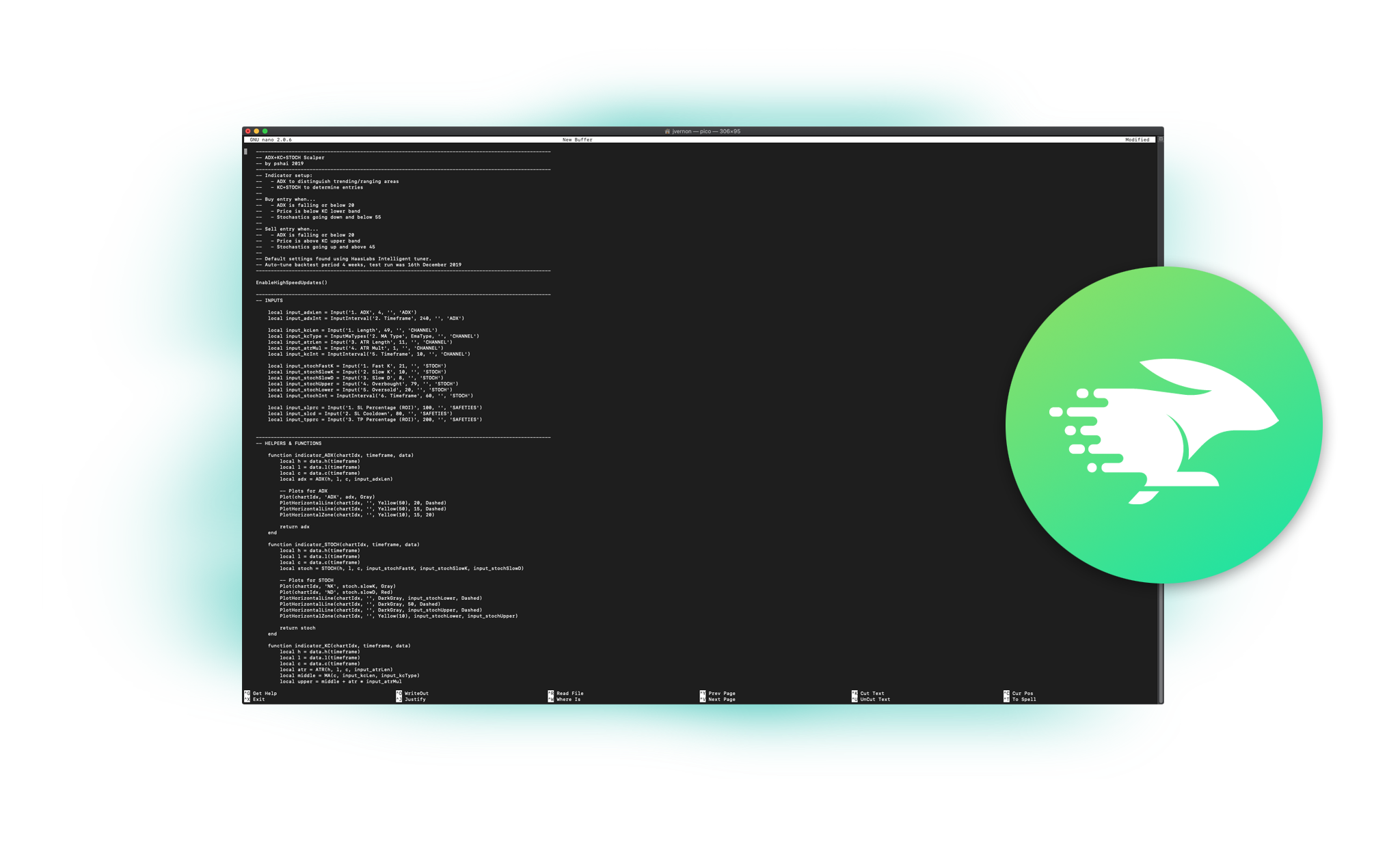
Ping pong bot range trading
Market Conditions

When to use ping pong strategies

Ping pong bots are designed for sideways, consolidating markets where price oscillates predictably between support and resistance. Look for periods of low volatility after sharp moves when traders take profits and markets stabilize. Volume should be steady without extreme spikes indicating breakout potential.

Avoid using ping pong strategies during strong trends—if price breaks support or resistance decisively, the range is invalidated. Monitor for breakout signals like increasing volume, narrowing ranges, or fundamental catalysts. When trends emerge, pause the ping pong bot and switch to trend-following strategies.
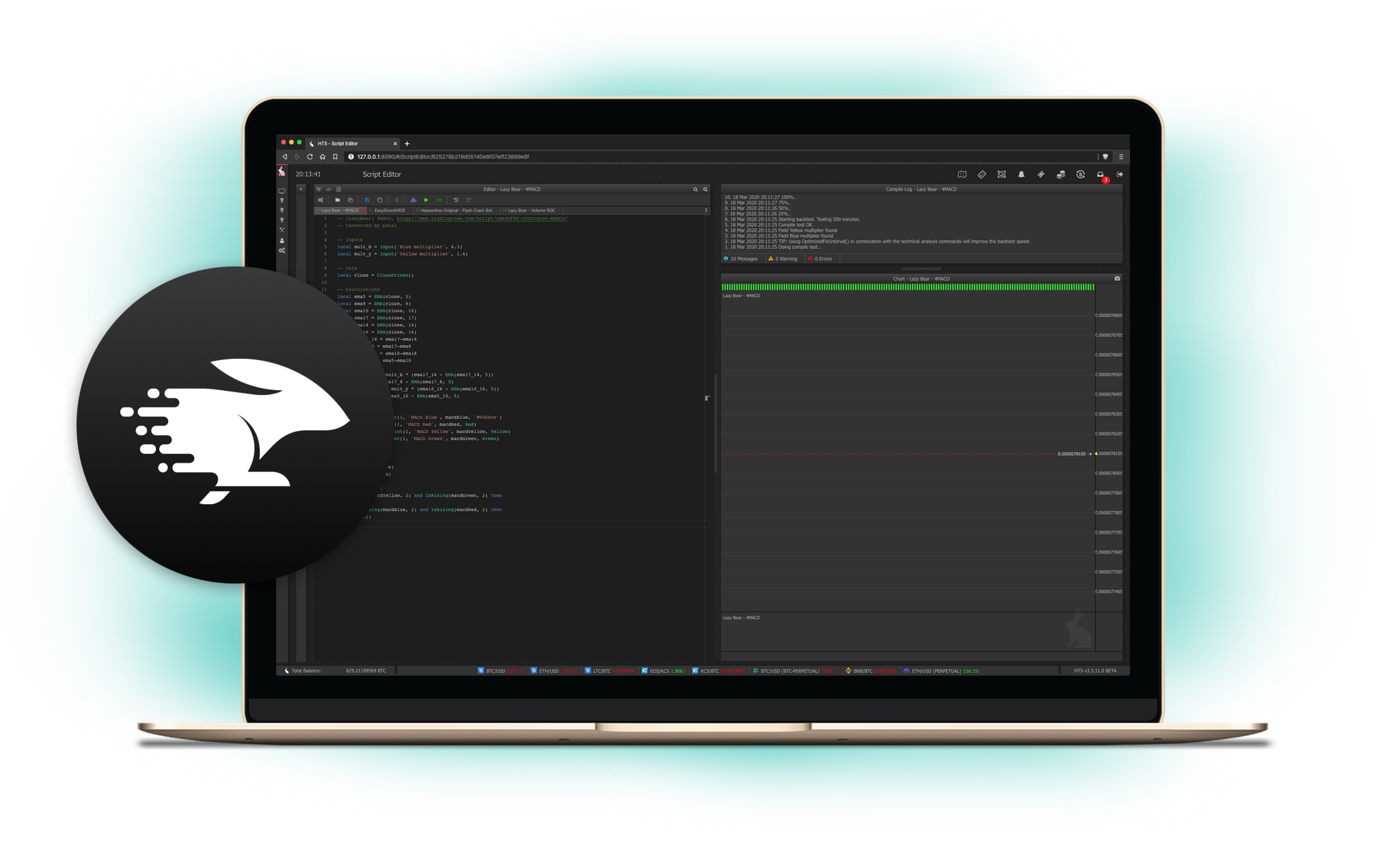
Ping pong market conditions
Strategy Optimization

Fine-tune your ping pong bot

Set stop losses below support to limit damage from breakdowns. Configure profit targets slightly inside resistance to ensure fills (selling at $51,500 instead of $52,000 improves execution). Use percentage-based ranges that adapt to volatility rather than fixed price levels.

Combine with indicators like RSI to confirm oversold (buy) and overbought (sell) conditions within your range. Backtest different range widths to find optimal risk/reward ratios. Track win rates, average profit per cycle, and maximum drawdown to refine your configuration over time.
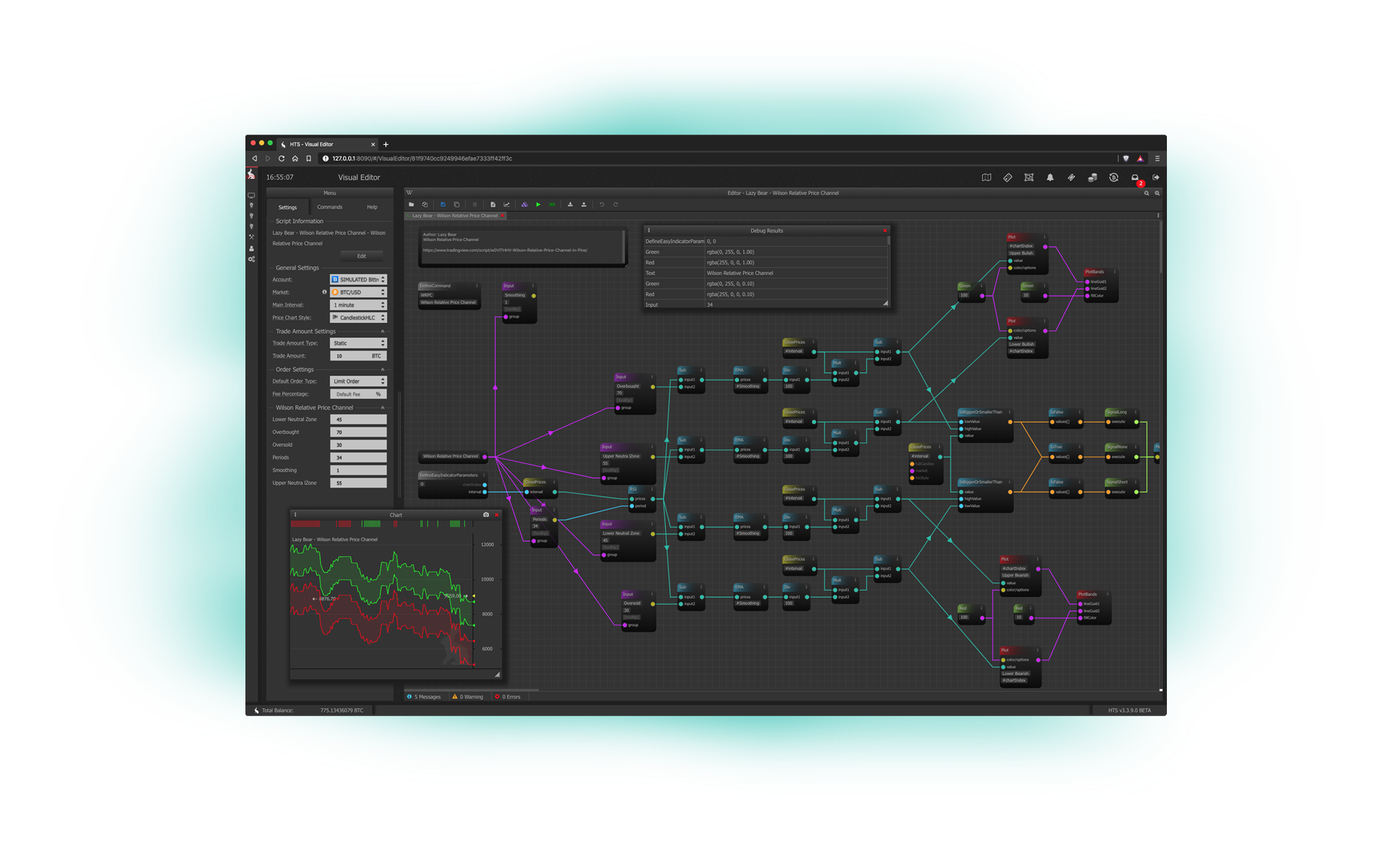
Ping pong optimization

Frequently Asked Questions

  • What is a ping pong bot?

    A ping pong bot is a range trading strategy that repeatedly buys at support and sells at resistance. Like a ping pong ball bouncing between paddles, the bot exploits predictable price oscillation within a defined range, generating profits from each complete cycle.

    The bot waits patiently at range boundaries rather than chasing price. It only trades when price reaches predefined levels, avoiding impulsive entries. This mechanical approach removes emotion and ensures consistent execution of the range trading strategy.

  • How much profit can a ping pong bot make?

    Profit per cycle equals the range width minus fees. A $48k-$52k range (8.3% move) generates 8.3% profit per complete cycle minus ~0.5% in fees = ~7.8% profit. If the bot completes 3 cycles per month, that's roughly 23.4% monthly return (compounded if reinvesting).

    Actual results depend on range width, cycle frequency, and how often price fully traverses the range. Tighter ranges offer more frequent cycles but smaller profits per cycle. Wider ranges provide larger profits but may take longer to complete. Most successful ping pong traders target 5-15% monthly returns.

  • What happens if price breaks the range?

    If price breaks above resistance after you buy, unrealized profits increase—but the ping pong strategy is invalidated since the range no longer exists. If price breaks below support, you face losses. This is why stop losses below support are essential to limit downside from breakdowns.

    Configure the bot to pause after breakouts. Monitor for range re-establishment at new levels before resuming. Some traders use wider stop losses to withstand temporary breakouts (fakeouts) that quickly return to the range. Others prefer tight stops to minimize losses from genuine breakouts.

  • How do I identify good ping pong ranges?

    Look for horizontal support and resistance that price has tested multiple times without breaking. The more touches, the stronger and more reliable the range. Ranges lasting weeks or months with consistent bounces are ideal. Volume should be steady, not increasing (which suggests breakout potential).

    Use longer timeframes (4H, daily) to identify major ranges, then trade them on shorter timeframes for precision. Fibonacci levels, round numbers, and previous swing highs/lows often form strong range boundaries. Technical patterns like rectangles, consolidations after trends, and symmetrical ranges work best.

  • Can ping pong bots handle multiple ranges?

    Yes, run multiple ping pong bots on different assets or timeframes simultaneously. Diversifying across multiple ranges reduces reliance on any single range holding. If Bitcoin ranges between $48k-$52k while Ethereum ranges between $2,800-$3,200, both bots can operate independently.

    You can also stack ranges within a single asset—trade a larger multi-week range on daily charts while simultaneously trading smaller intraday ranges on 1-hour charts. This captures profits at multiple timeframes, though it requires more capital and monitoring to avoid conflicts between strategies.

  • Do I need coding skills for ping pong bots?

    No coding required. HaasOnline provides pre-configured ping pong templates where you simply define your support and resistance levels, position size, and optional indicators. The bot handles order placement, execution monitoring, and cycle management automatically.

    Advanced users can use HaasScript to create sophisticated variations—dynamic range adjustment based on volatility, multi-layered ranges, or integration with breakout detection algorithms. But basic ping pong trading works perfectly with standard configuration options through the visual interface.

Automated Range Trading. Completely Free Trial. No Credit Card Required.

Profit from ranging markets with ping pong bots that automatically buy dips and sell rallies. Get a free 3-day trial with full access to all features. Start range trading in minutes.

Start free 3-day trial