đź“° Latest: HaasScript AI Reference: Documentation Built for AI Assistants
Account

Scalper Bot: High-Frequency Crypto Trading

A scalper bot executes dozens or hundreds of trades daily, targeting small price fluctuations. By entering and exiting positions within minutes or seconds, scalping systematically trades tiny moves that would be insignificant to longer-term traders.
Start scalping with HaasOnline

Quick Profits

Capture gains from small price movements multiple times per day.

High Frequency

Execute dozens of trades daily to compound small gains into meaningful returns.

Limited Exposure

Short holding periods minimize directional risk from major market moves.

Market Neutral

Profit from volatility rather than price direction—works in both uptrends and downtrends.

Tight Stops

Small stop losses limit risk per trade while maintaining high win rates.

Automated Speed

Bots react instantly to opportunities humans would miss, maximizing scalping efficiency.

How Scalping Works

Many small wins add up

Scalper bots target 0.1-0.5% profit per trade with tight stop losses of 0.1-0.2%. A $10,000 position capturing 0.2% makes $20 per trade. Execute 20 successful scalps per day for $400 daily profit. Over a month, that's $12,000 profit on $10,000 capital (120% monthly return)—though actual results are typically lower due to losses and fees.

The strategy relies on high win rates (65-75%) and favorable risk/reward ratios. Speed is essential—enter when momentum appears, take profit quickly, and move to the next opportunity. Holding too long transforms scalps into swing trades with different risk profiles.
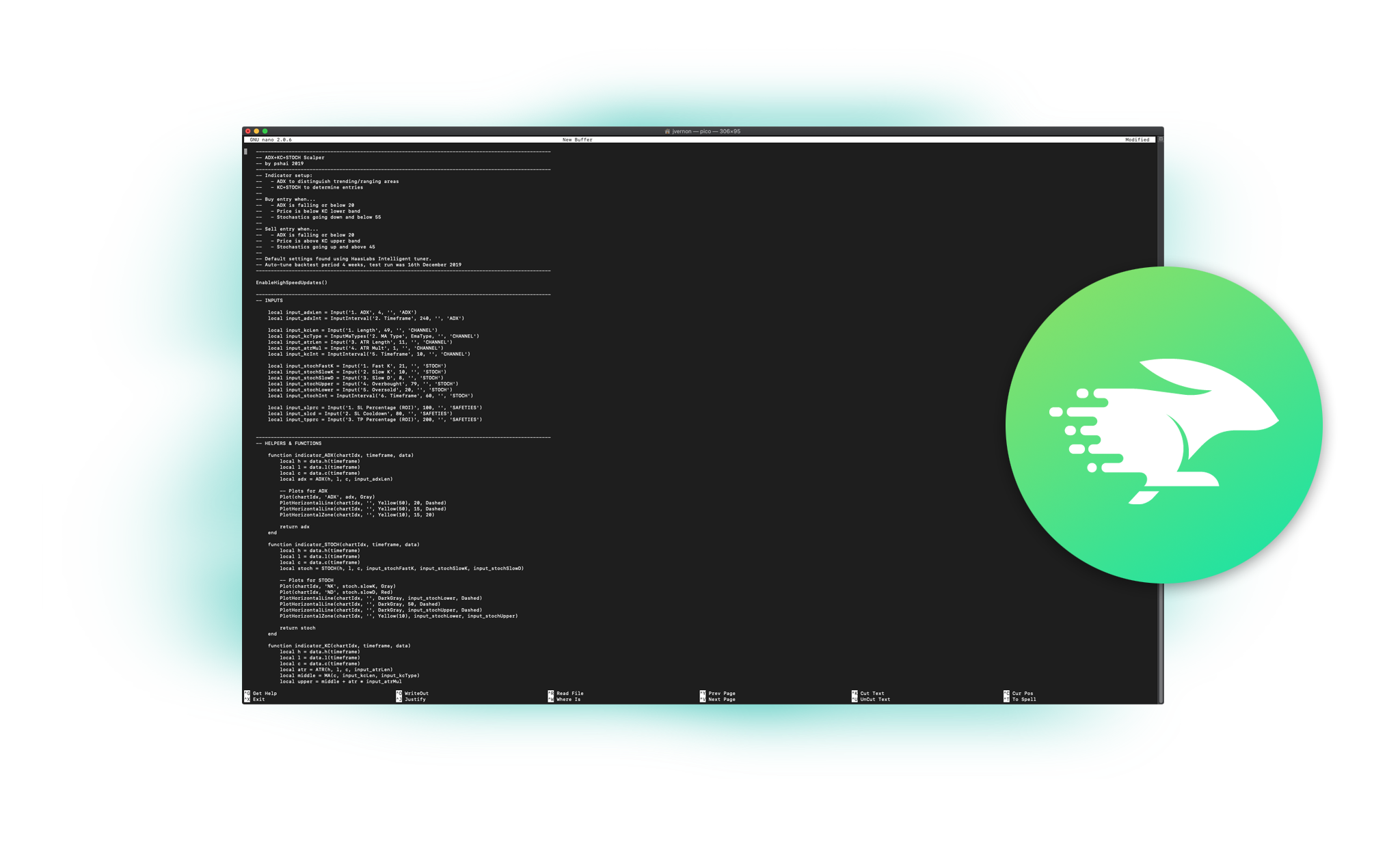
Scalping strategy explained
Entry Signals

Identifying scalping opportunities

Scalpers use technical indicators like moving average crossovers, RSI divergences, volume spikes, or order book imbalances to identify short-term momentum. Look for quick price moves with strong volume—these suggest continued movement in the same direction for a scalp opportunity.

Bid-ask spread analysis reveals liquidity conditions. Tight spreads on liquid pairs enable fast entries and exits with minimal slippage. Wide spreads increase transaction costs and erode scalping profits. Some scalpers focus exclusively on major pairs (BTC/USDT, ETH/USDT) for optimal execution.
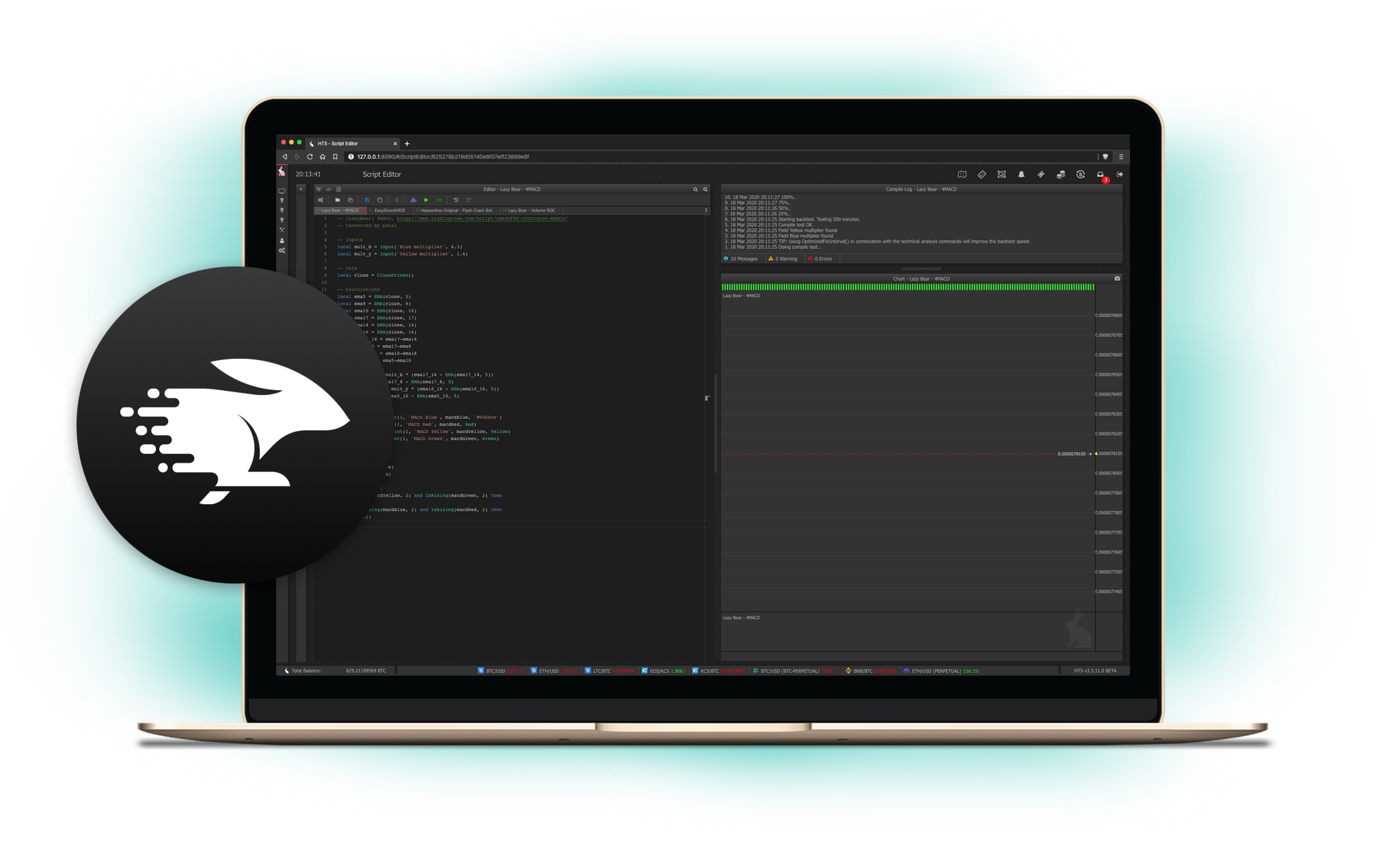
Scalping entry signals
Risk Management

Protect capital with discipline

Strict risk management is non-negotiable for scalping. Use tight stop losses on every trade—if a scalp goes against you, exit immediately rather than hoping for recovery. Set maximum daily loss limits to prevent cascading losses during unfavorable conditions. Take regular breaks to avoid overtrading.

Fee management is critical since high trade frequency means fees compound quickly. On a 0.2% profit target with 0.1% fees per side (0.2% round trip), fees consume your entire profit. Use maker orders to earn rebates, negotiate lower fees for high volume, or focus on exchanges with favorable fee structures for active traders.
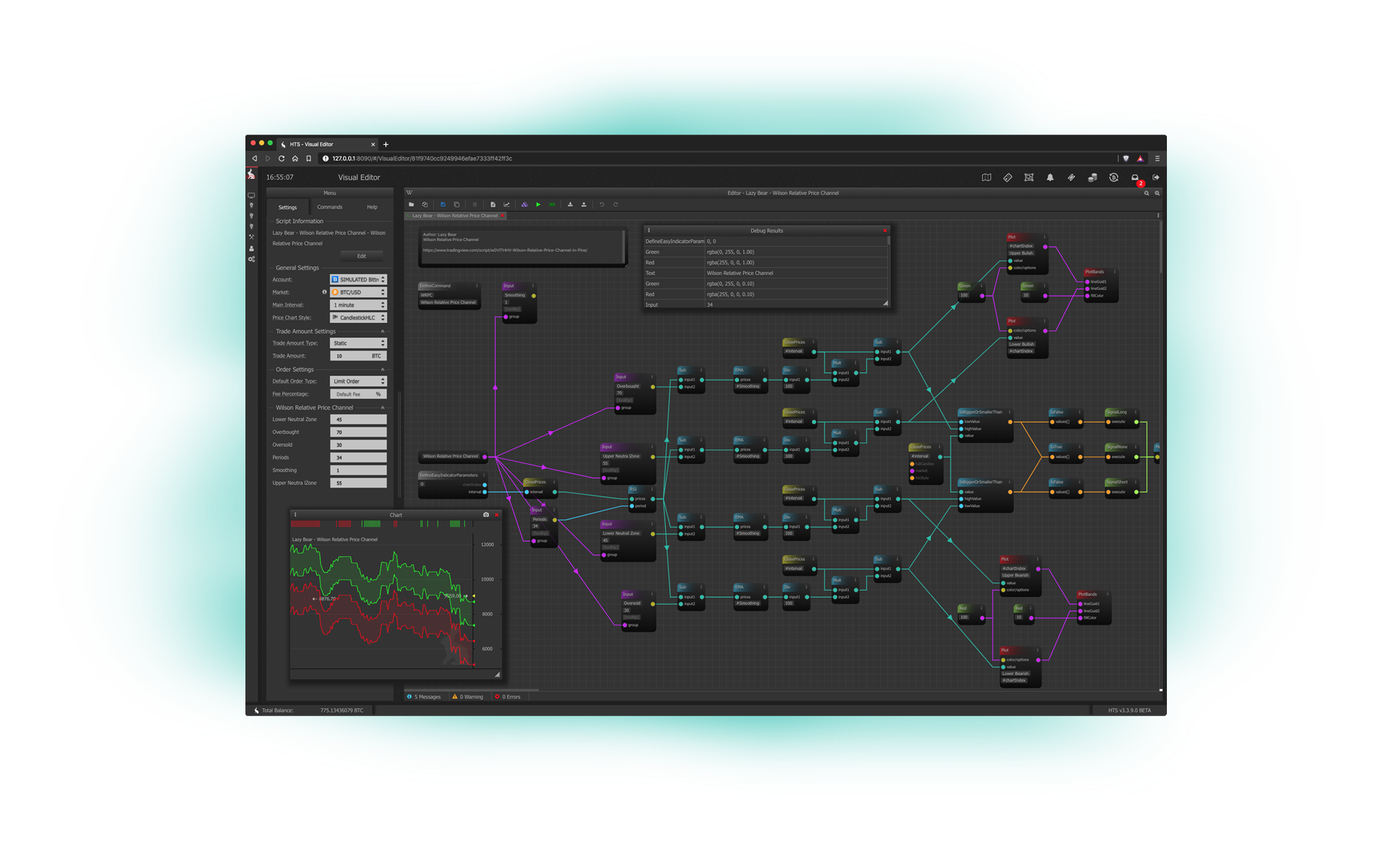
Scalping risk management

Frequently Asked Questions

  • What is a scalper bot?

    A scalper bot executes high-frequency trades targeting small profits (0.1-0.5%) from minor price movements. Positions are held for minutes or even seconds. By trading dozens or hundreds of times daily, scalpers accumulate many small gains that compound into significant returns.

    Scalping requires fast execution, tight spreads, and low latency to be profitable. Manual scalping is exhausting and error-prone. Bots maintain discipline, execute instantly, and operate without emotion or fatigue—essential advantages for successful scalping.

  • How much can I make scalping crypto?

    Scalping profitability varies significantly based on market conditions, execution speed, and risk management. Returns depend heavily on capital size, trading frequency, win rate, average profit per trade, and fee structure. Actual results fluctuate due to losing days and varying market conditions.

    Larger capital enables more simultaneous positions. Higher win rates are necessary since profit targets are small. Fees significantly impact profitability at high trading frequencies and can exceed profits if not managed carefully. There are no guarantees, and losses are common during unfavorable conditions.

  • What are the biggest challenges in scalping?

    Trading fees are the primary challenge—multiple trades daily mean fees compound quickly and can exceed profits if not managed carefully. Slippage from fast market orders eats into small profit targets. Overtrading during poor conditions leads to losses. Emotional discipline to follow stop losses strictly is difficult but essential.

    Technical challenges include maintaining low-latency connections to exchanges, handling API rate limits for high-frequency trading, and ensuring bot reliability during volatile periods. Market conditions matter—scalping works best in liquid, volatile markets with clear short-term momentum patterns.

  • How much capital do I need to start scalping?

    Start with $1,000-$5,000 minimum. Smaller amounts limit position sizes to levels where fees become prohibitive relative to profit targets. With $1,000 and 0.2% profit targets, you make $2 per successful trade minus fees (~$1.50 net)—difficult to scale. $5,000+ allows meaningful profits per scalp while maintaining proper position sizing.

    More capital enables trading multiple pairs simultaneously, diversifying risk and increasing opportunities. Consider that high-frequency trading requires significant time commitment or reliable automation. Start small while learning, then scale up as you gain experience and validate your strategies.

  • Can scalping bots work on all cryptocurrencies?

    Scalping works best on highly liquid pairs with tight spreads and high trading volume—BTC/USDT, ETH/USDT, and other major pairs. Low-volume altcoins have wide spreads that make scalping unprofitable, plus insufficient liquidity for fast entries/exits without significant slippage.

    Some scalpers focus exclusively on 1-3 major pairs to master their specific price patterns and microstructure. Others diversify across 5-10 liquid pairs for more opportunities but increased complexity. Avoid illiquid pairs where your orders move the market or where fills are slow and unreliable.

  • Do I need coding skills for scalper bots?

    No coding required for basic scalping bots. HaasOnline provides pre-configured scalping templates using common technical indicators and risk management rules. Configure entry signals, profit targets, stop losses, and position sizing through the visual interface. The bot handles high-frequency execution automatically.

    Advanced scalpers use HaasScript to create sophisticated strategies—custom indicators, order book analysis, multi-timeframe confirmation, or machine learning models. But many successful scalpers operate profitably using standard templates with well-tuned parameters based on backtesting and experience.

High-Frequency Trading. Completely Free Trial. No Credit Card Required.

Start scalping crypto markets with automated bots that capture small profits dozens of times daily. Get a free 3-day trial with full access. Deploy scalping strategies in minutes.

Start free 3-day trial