đź“° Latest: HaasScript AI Reference: Documentation Built for AI Assistants
Account

Signals Bot: Trade External Signals Automatically

A signals bot executes trades automatically based on external signals from TradingView alerts, Telegram channels, Discord groups, or custom webhooks. Follow expert traders, technical analysis systems, or your own signal-generating tools without manual execution.
Start automating signals with HaasOnline

Follow Experts

Automatically execute trades from professional traders and signal providers you trust.

TradingView Integration

Connect TradingView alerts directly to your trading bot for instant automated execution.

Zero Delay

Execute signals instantly without manual intervention—speed matters in volatile markets.

Risk Management

Add your own stop losses, take profits, and position sizing rules to external signals.

Multiple Sources

Combine signals from various providers or filter based on confidence levels and conditions.

Backtesting

Test signal provider performance on historical data before committing real capital.

How Signal Trading Works

Execute expert analysis automatically

Signal providers analyze markets and send buy/sell recommendations via Telegram, Discord, TradingView, or webhook APIs. Your signals bot receives these alerts and executes trades immediately—buying when you get a "BUY BTC $50,000" signal and selling on "SELL BTC $52,000" alerts.

This separates analysis from execution. Expert traders focus on market research while bots handle order placement with perfect discipline. You benefit from professional analysis without needing extensive trading knowledge or constant market monitoring. The bot never misses signals, even while you sleep.
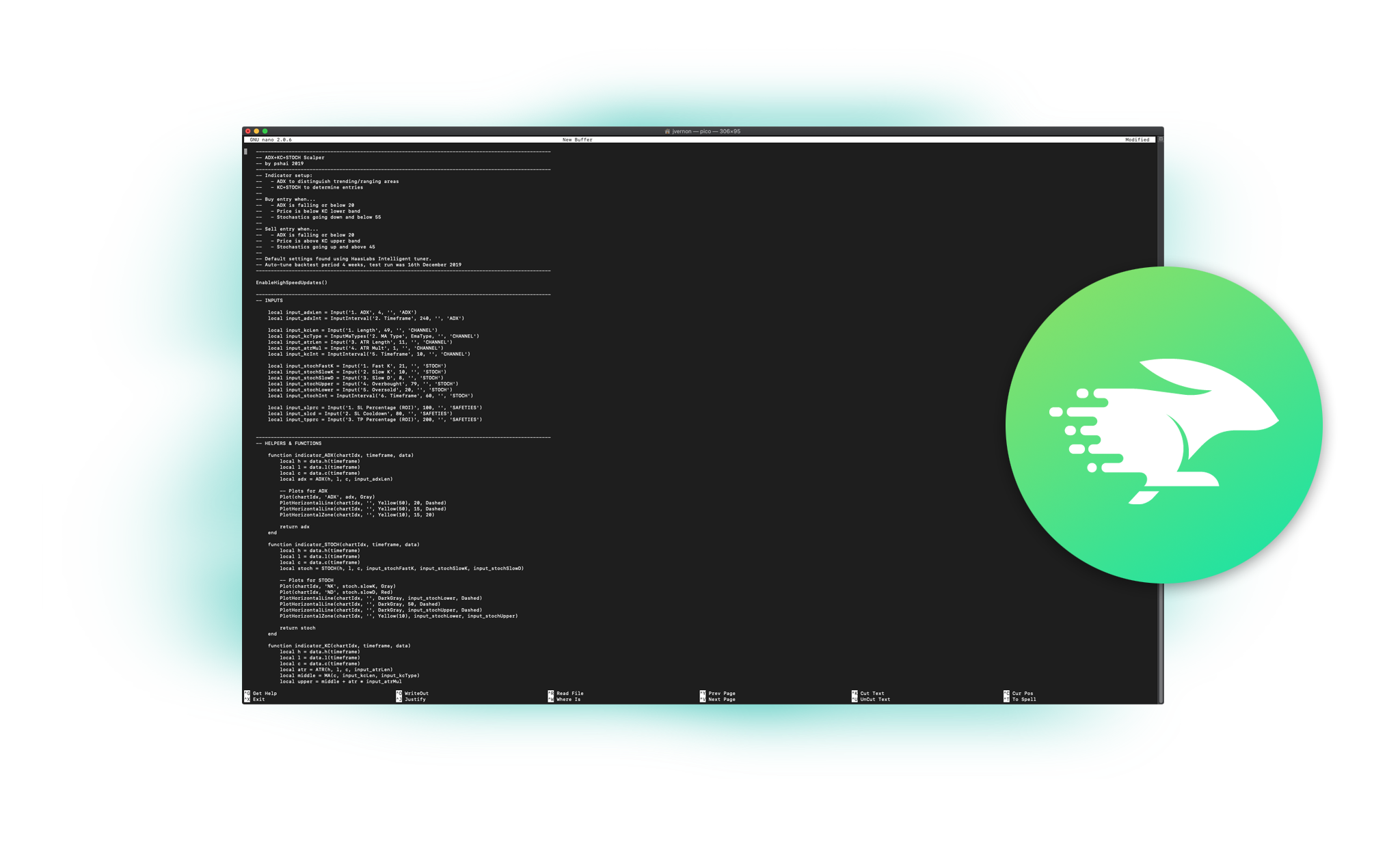
Signal bot integration
Signal Sources

Multiple integration options

TradingView alerts trigger trades instantly when your technical analysis conditions are met. Telegram bots parse messages from premium signal channels. Discord webhooks receive signals from community analysts. Custom API endpoints allow integration with proprietary signal systems or machine learning models.

You can subscribe to multiple signal sources simultaneously and configure different strategies for each—aggressive position sizing for high-confidence signals, conservative sizing for speculative calls, or filters that require confirmation from multiple sources before executing.
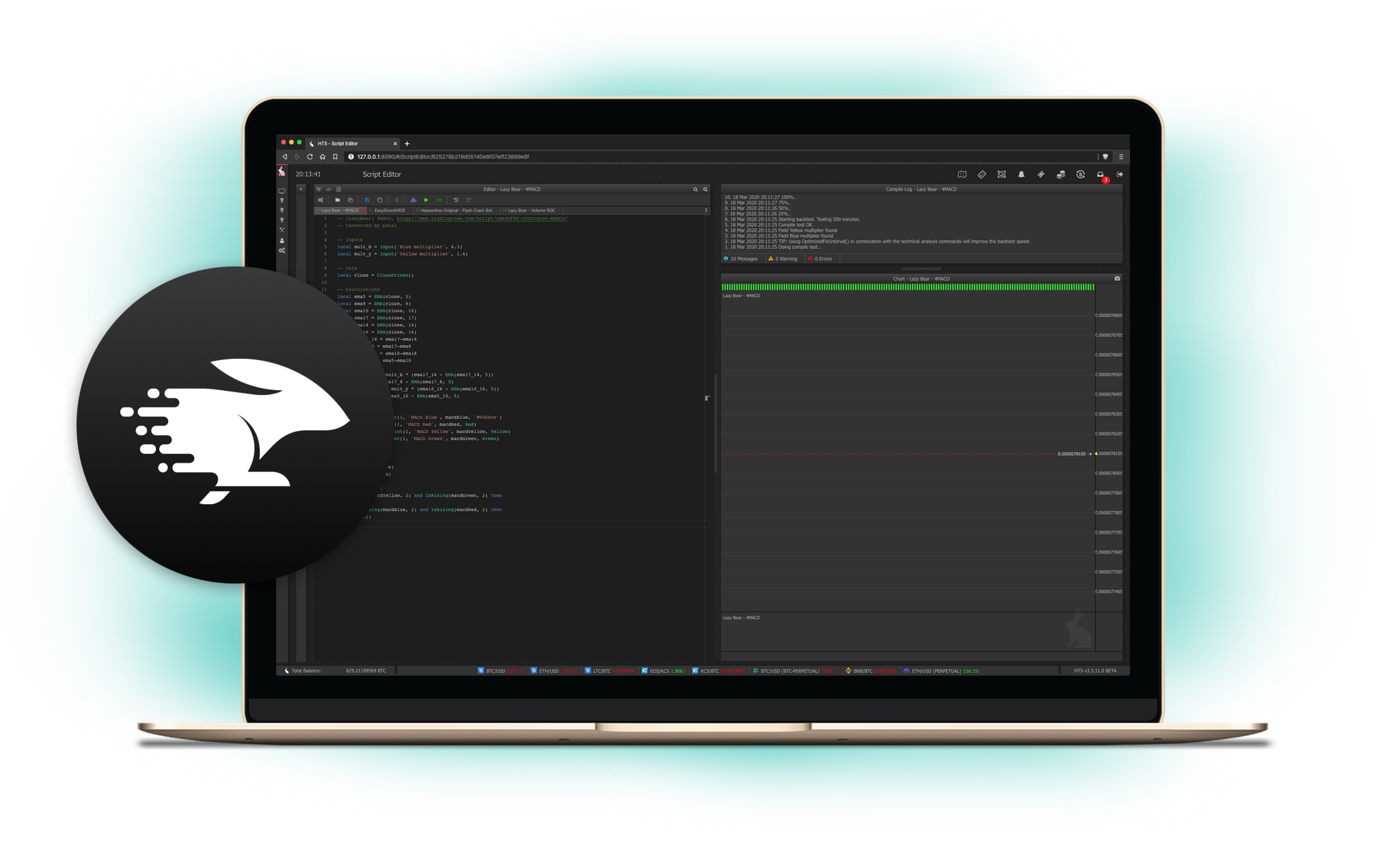
Signal sources integration
Risk Controls

Protect yourself from bad signals

Not all signals are profitable. Add your own risk management on top of external recommendations: maximum position size limits prevent overexposure, stop losses protect from large drawdowns, take-profit targets lock in gains, and daily loss limits prevent cascading losses from bad signal streaks.

Signal validation rules filter out unreliable alerts—require minimum confidence scores, verify price conditions before executing, or wait for confirmation from multiple sources. Track signal provider performance over time to identify which sources have better accuracy versus which produce losses.
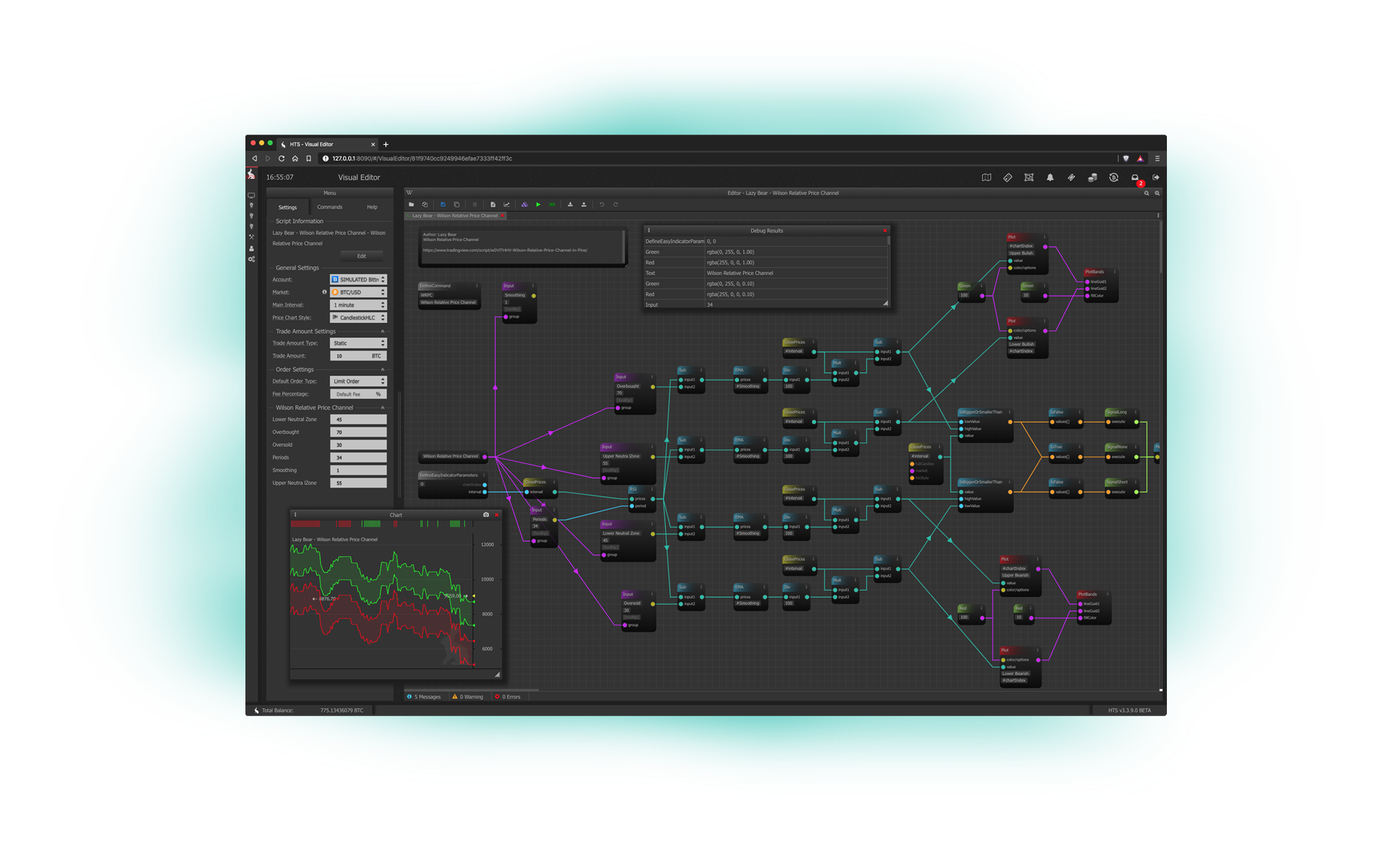
Signal bot risk management

Frequently Asked Questions

  • What is a signals bot?

    A signals bot automatically executes trades based on external recommendations from signal providers, trading groups, or technical analysis alerts. When a signal arrives via Telegram, TradingView, webhook, or other channels, the bot places orders immediately without requiring manual intervention.

    This automation ensures you never miss profitable signals due to delays, sleep, or distractions. The bot maintains perfect discipline—no second-guessing, no fear, no emotional interference. You benefit from expert analysis with machine-like execution consistency.

  • How do I find reliable signal providers?

    Research providers with verified track records showing historical performance, win rates, average returns, and maximum drawdowns. Look for transparency—reputable providers publish all signals publicly, not just winning trades. Free trial periods let you test performance with small capital before committing.

    Beware of unrealistic claims (300%+ monthly returns), lack of transparency about losses, or pressure to join immediately. Check community reviews, ask for verified trading history, and start with paper trading to validate signal quality before using real money. Legitimate providers show realistic, verified performance with full transparency about both wins and losses.

  • Can I use multiple signal providers simultaneously?

    Yes, run separate signals bots for different providers or create a composite strategy combining multiple sources. Allocate capital across providers based on their historical performance and risk profiles. If Provider A has 70% win rate and Provider B has 60%, give Provider A larger position sizes.

    You can also create filter rules requiring agreement from multiple sources before executing—if both Provider A and Provider B signal "BUY," execute with higher confidence. This reduces false signals but may cause you to miss some opportunities. Diversification across providers reduces reliance on any single source.

  • What happens if I receive conflicting signals?

    Configure priority rules—follow the provider with better historical performance, require majority agreement before executing, or trade both signals with smaller position sizes to hedge. Some traders ignore conflicting signals entirely, viewing disagreement as a sign of market uncertainty.

    Conflicting signals often occur during consolidation when trend direction is unclear. You might configure your bot to reduce position sizes or pause trading entirely when signals diverge significantly. Track which conflict-resolution strategy produces the best results over time and optimize accordingly.

  • How much should I pay for signal services?

    Quality signal services typically cost $50-$500 monthly depending on performance and features. Free signals exist but often lack quality or come from unverified sources. Evaluate cost relative to your capital and expected returns—if $200/month generates an extra $2,000 profit, it's worthwhile. If your capital is only $1,000, expensive signals may not justify the cost.

    Some providers charge performance fees (percentage of profits) rather than fixed subscriptions—this aligns incentives since they only profit when you do. Be wary of very expensive signals ($1,000+/month) without demonstrated exceptional performance. Many profitable traders find value in mid-tier services ($100-$300/month).

  • Do I need coding skills to use signals bots?

    No coding required for standard integrations. HaasOnline provides pre-built connectors for TradingView, Telegram, and webhooks. Configure your signal sources through the visual interface, set position sizing and risk parameters, and start the bot. The system handles parsing signals and executing trades automatically.

    Advanced users can use HaasScript to create custom signal parsing logic, complex filtering rules, or proprietary signal generation algorithms. But the vast majority of signal traders operate successfully using built-in integration options with simple configuration—no programming knowledge needed.

Automated Signal Trading. Completely Free Trial. No Credit Card Required.

Execute expert trading signals automatically with signals bots. Connect TradingView, Telegram, or custom webhooks. Get a free 3-day trial with full access to all features.

Start free 3-day trial